People experiencing homelessness face support systems that are not always able to respond effectively to their complex and long-term needs. This session focuses on how social services can strengthen the effectiveness of homelessness responses, leading to more consistent and meaningful outcomes.
Participants will learn from two different, but complementary approaches developed in Malta and England. Malta’s Building Bridges model shows how harmonising referral and assessment processes across NGOs and public services can improve coordination, reduce duplication, and ensure fairer and faster access to support. King’s College London will present research on homelessness social work in England, and the National Peer Network for Homelessness Social Work will share effective trauma-informed approaches that include close collaboration with other services and building trust with people who have particularly complex needs.
Together, these cases highlight practical ways to improve how homelessness services function, showing how better coordination and specialist professional roles can lead to more effective, humane, and person-centred responses.
Presentation Language: English
Moderator:
-
Graham Owen, Board of The Association of Directors of Social Services in Sweden (FSS), Sweden
Presenters:
- Isabella Farrugia, Service Manager, Aġenzija Appoġġ, Foundation for Social Welfare Services (FSWS), Malta
- Oliver Cilia, Service Area Leader, Aġenzija Appoġġ, Foundation for Social Welfare Services (FSWS), Malta
- Jess Harris, Senior Research Fellow, Health & Social Care Workforce Research Unit, King’s College London, United Kingdom
- Ellie Atkins, Chair of the National Peer Network for Social Work in Homelessness, United Kingdom
Meet the presenters
|
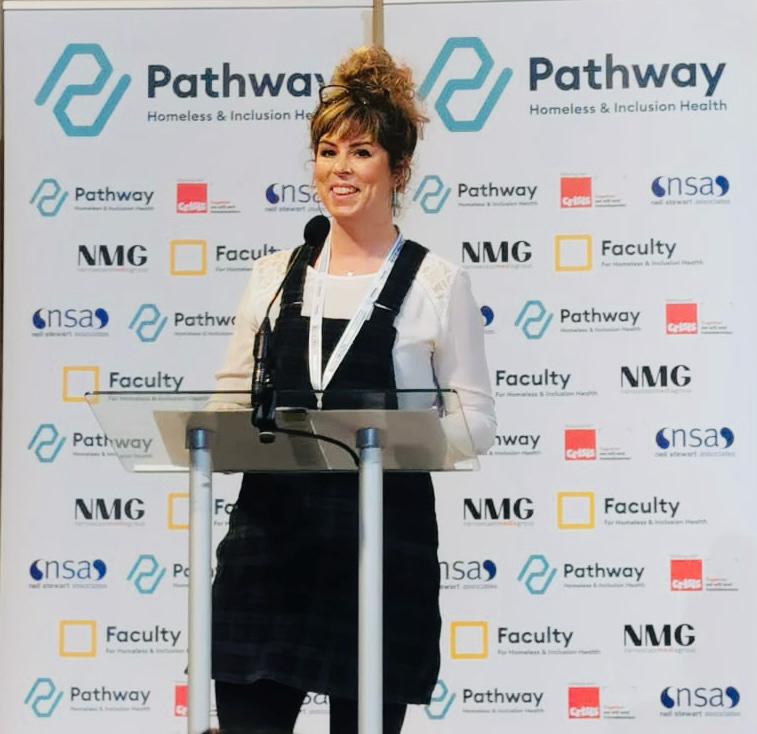
Jess Harris, Senior Research Fellow, Health & Social Care Workforce Research Unit, King’s College London Jess Harris is a Research Fellow in the Health & Social Care Workforce Research Unit at King’s College London in England, where she has been carrying out social work and social care-related research since 2006. She recently completed an England-wide study on safeguarding responses to multiple exclusion homelessness and self-neglect. This led to follow-up studies which focused on the specialist homelessness social work role and on the teaching of homelessness within social work education in England. She is now working on an England-wide study of mental capacity and homelessness and is planning research on specialist homelessness residential care. Jess convenes a monthly webinar series which focuses on homelessness-related social care and health research and innovative practice - webinars are free and open to all, and international participants are welcome. |
Ellie Atkins, Chair of the National Peer Network for Social Work in Homelessness Ellie Atkins is an experienced social work manager and a practitioner academic and early career researcher, who specialises in social work and multiple exclusion homelessness. Her interests include mental capacity, executive functioning, and statutory frameworks in homelessness contexts. Her research collaborations include work with King's College London and the University of Manchester, exploring international systemic responses to entrenched rough sleeping and evidence-based reform. Ellie leads the national peer network for social workers specialising in homelessness in England. Alongside her professional roles, she contributes to public education through creative media, producing short films, such as ‘Beryl’, that challenge stigma and highlight lived experiences of rough sleeping and hidden disabilities.
|
|
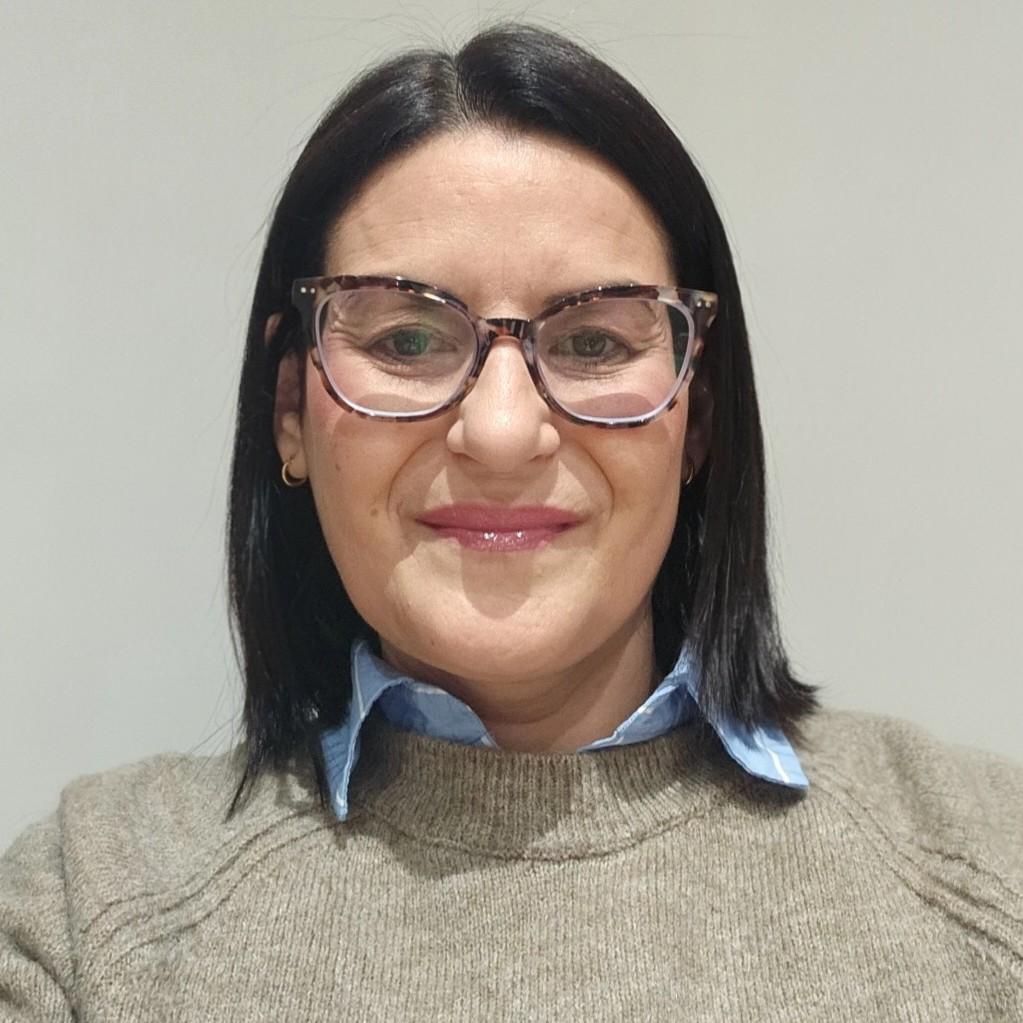
Isabella Farrugia, Service Manager, Aġenzija Appoġġ, Foundation for Social Welfare Services (FSWS) Isabella Farrugia has over twenty years of professional experience within the Foundation for Social Welfare Services (FSWS), Malta’s national organisation for social welfare provision. Throughout her career, she has worked across a wide range of services including domestic violence shelters, prison services, child protection, generic and intake services, health, homelessness, and housing-related social work. She has progressed from frontline practice to management, leading multidisciplinary teams and overseeing complex, integrated services that respond to families and individuals facing multiple and intersecting vulnerabilities. Her work is informed by a strong interest in how social services can learn from international practice, adapt across systems, and collaborate beyond traditional silos to promote more humane, effective, and coordinated responses. Isabella is deeply committed to strengthening systems that promote dignity, justice, accessibility, and holistic support, while prioritising staff wellbeing, reflective practice, and ethical leadership. |
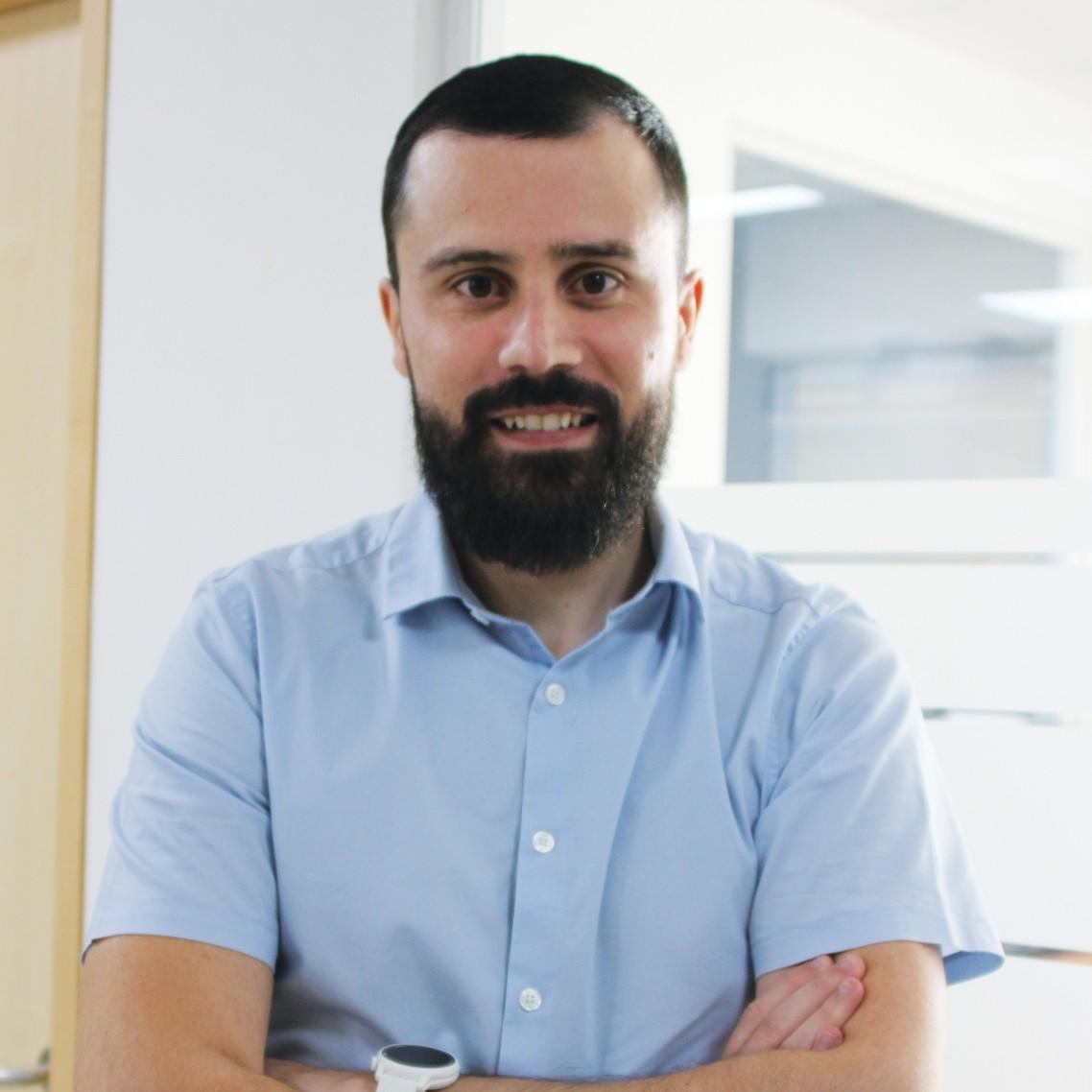
Oliver Cilia, Service Area Leader, Aġenzija Appoġġ, Foundation for Social Welfare Services (FSWS) Oliver Cilia is a 37‑year‑old social worker with over a decade of professional experience in community‑based social services. He graduated as a social worker from the University of Malta in 2012, following earlier frontline experience as a carer in a residential care home for minors, gained prior to qualification and instrumental in shaping his practice‑informed approach. His professional background includes extensive work in child protection as well as within Intake and Family Support Services, where he developed strong competencies in assessment, safeguarding, and early intervention with vulnerable families. Since 2021, Oliver has served as Service Area Leader of the Homeless Service. In this role, he leads a team of six social workers responsible for supporting individuals throughout the homelessness trajectory—from risk identification and rooflessness, through assessment, guidance, and referrals to shelters, to in‑shelter support and reintegration into the community.
|
|
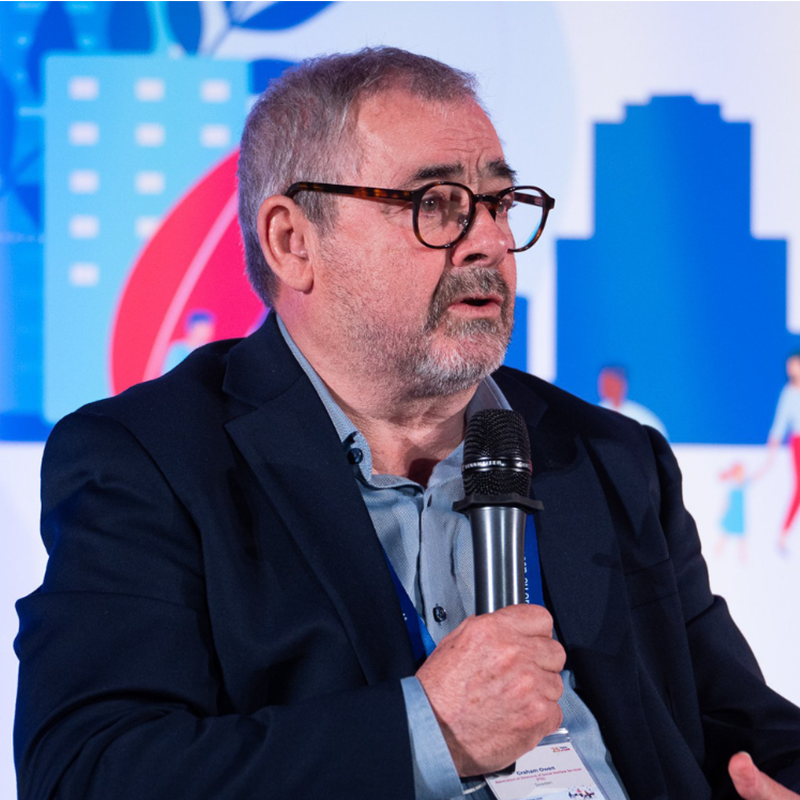
Graham Owen, Board of The Association of Directors of Social Services in Sweden (FSS)
Graham Owen has worked in social services in the UK, USA, and since 1988, in Sweden. His experience has covered a wide area of social services including child protection, substance misuse, foster care and social assistance. He has been actively involved in activities organised by the European Social Network ESN) for over 15 years, including European-funded projects and is a current vice-chair of the Board of ESN. He has held positions within the management of social services, is a former Director of Social Services and is a member of the Board of the Swedish Association of Social Services Directors (FSS). Currently, he is co-opted to the Board of FSS as a European representative and was nominated by FSS to continue his appointment on the ESN Board earlier this year. Other appointments include acting as an FSS representative on the Board of the National Association of Social Workers. Outside the field of social work, Graham enjoys travelling, gardening and dividing his time between Sweden and his homeland, Wales. Football is top on the list of his sports interests.
|