“By failing to prepare, you are preparing to fail.” This well-known insight from Benjamin Franklin underscores the importance of proactive planning.
Detecting and anticipating the social needs of regions and their populations is a key prerequisite for responsive and forward-looking social services. This session introduces participants to the integrated model for planning social services in the German state of Thuringia. To help local authorities and other stakeholders anticipate and respond more effectively to the evolving needs of Thuringia’s shrinking population, the Institute for Municipal Planning and Development (IKPE, Erfurt University of Applied Sciences) and the local competence centre for social planning within the coalition of local social service providers (KOSS, LIGA Thuringia) have developed and implemented a multi-layered, participatory foresight planning process. The process aims to formulate future scenarios and identify strategic options for action. The shared goal is to promote more inclusive, resilient, and financially sustainable social services through systematic needs assessment, multi-stakeholder dialogue, and participatory planning approaches.
Participants in this session will learn about a tool for collaborative social planning and needs anticipation, which they can apply in their own regions and professional contexts.
Presentation Language: German
Interpretation Language: English
Presenters:
- Stefan Huber, Project Manager, Institute for Local Planning and Development, University of Applied Sciences Erfurt (IKPE), Germany
- Pascal Simoleit, Policy Officer, LIGA of Independent Welfare Organisations in Thuringia, Germany
- Christopher Bieniek, Advisor for Strategic Social Planning, LIGA of Independent Welfare Organisations in Thuringia, Germany
- Inga Döbel, Research Associate, Municipal Strategy Development and Participatory Governance, Institute for Local Planning and Development, University of Applied Sciences Erfurt (IKPE), Germany
Meet the presenters
|
Stefan Huber, Project Manager, Institute for Local Planning and Development, University of Applied Sciences Erfurt (IKPE) Dr. Stefan Huber has worked at the Institute for Local Planning and Development at the University of Applied Sciences in Erfurt (IKPE) since 2018, leading the ESF Plus funded project 'Process Support for Municipalities in Developing and Implementing Local Social Strategies' since September 2023. The project supports districts and independent cities in Thuringia in developing and implementing municipal strategies. Tailored to the needs of municipalities, these strategies focus on strengthening social inclusion and participation of all demographic groups, especially in rural areas. Dr. Huber and his team provide on-site support in the form of individual consultations, networking and training services to continuously improve the quality of existing services, avoid the creation of parallel structures and promote equal living conditions and social participation. From 2018 to 2022, Dr. Huber worked as a project manager at the IKPE, supporting municipalities in developing municipal poverty prevention strategies within the framework of ESF funding.
|
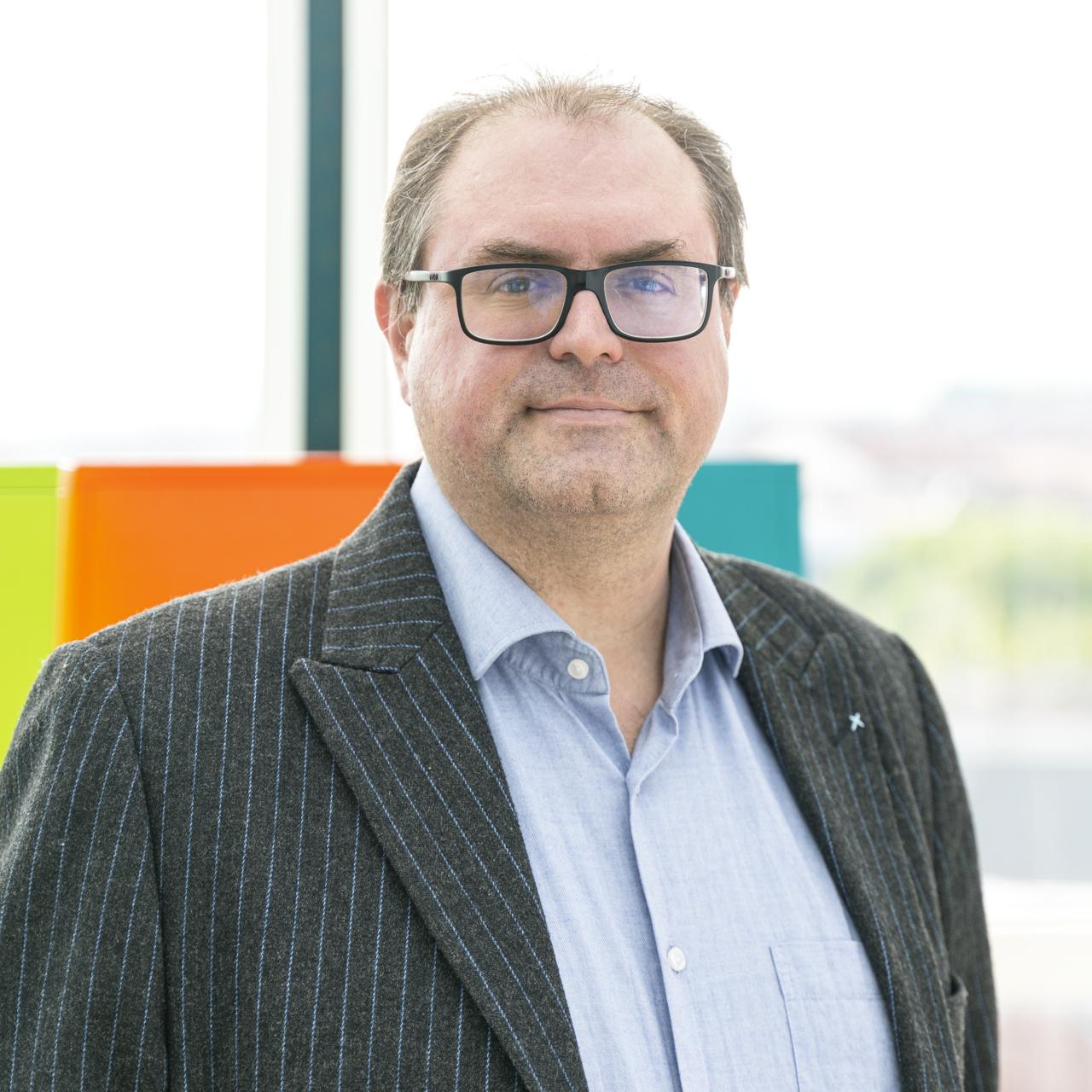
Pascal Simoleit, Policy Officer, LIGA of Independent Welfare Organisations in Thuringia Pascal Simoleit is a Policy Officer at the Competence Center for Strategic Social Planning (KOSS plus) of the LIGA of Independent Welfare Organizations in Thuringia. He has held this position since April 2024. The project, funded by the European Social Fund, supports LIGA member organizations across Thuringia in building sustainable structures for strategically oriented social planning. Key objectives include promoting equal opportunities, reducing structural inequalities, and creating inclusive pathways to the labor market. Mr. Simoleit brings extensive professional experience from previous roles, including Head of the Coordination Office for Migration and Participation in the district of Osterode am Harz and Education Coordinator for Newly Arrived Migrants in the district of Göttingen. He has also worked in fundraising for non-governmental organizations and political institutions abroad. His areas of expertise include process facilitation and moderation, network development, inter-institutional cooperation, governance, and strategic management and planning. These competencies support collaborative and evidence-based decision-making.
|
|
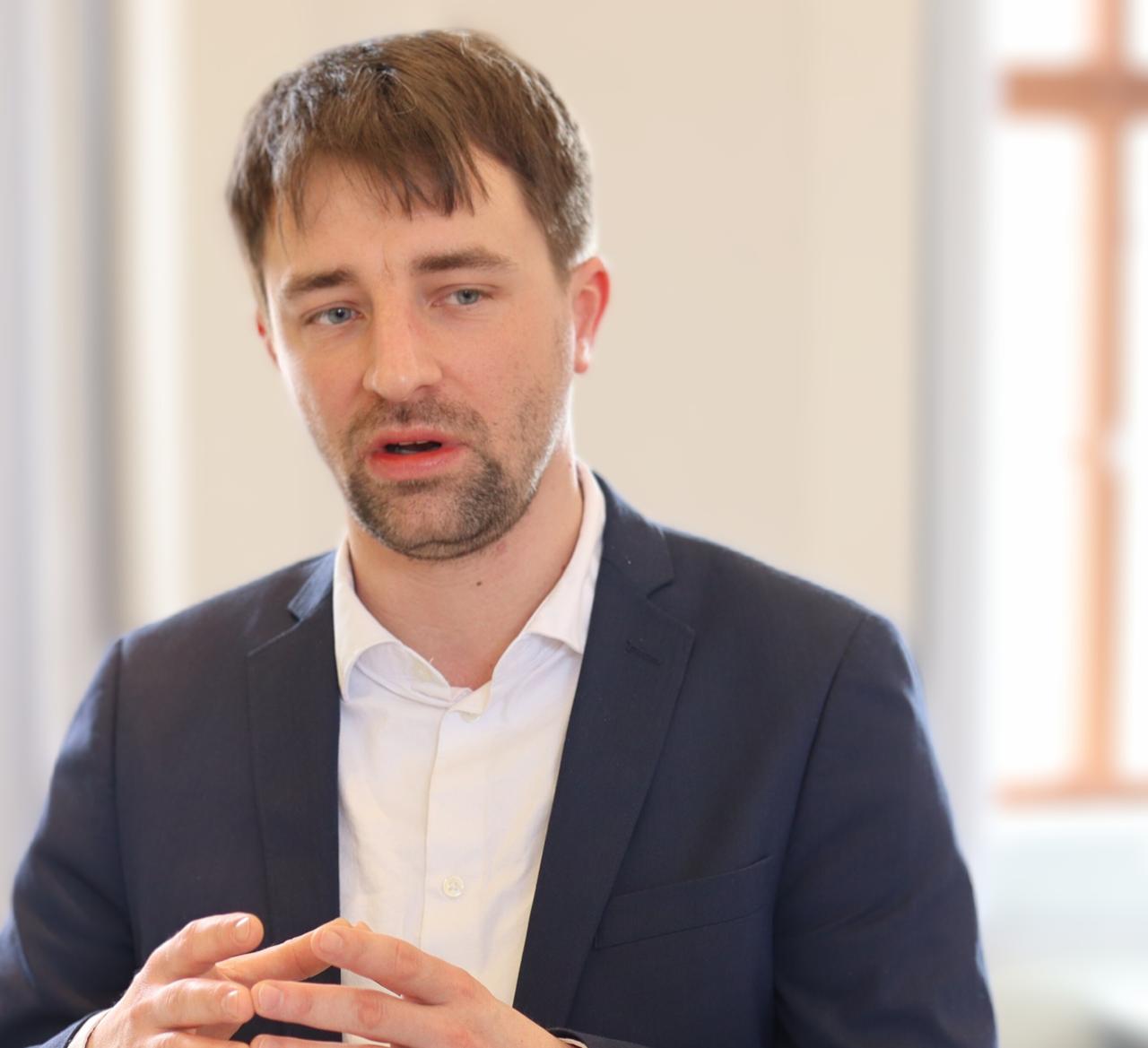
Christopher Bieniek, Advisor for Strategic Social Planning, LIGA of Independent Welfare Organisations in Thuringia Christopher Bieniek (M.A.) is an advisor for strategic social planning at the LIGA of Independent Welfare Organizations in Thuringia (Registered Association) and works in this function since 2024. In this role, Christopher Bieniek focuses on providing professional support, consultation, and process facilitation especially for welfare organisations but also other local stakeholders involved in social planning. Rather than carrying out social planning directly, C. Bieniek contributes to strengthening capacities, fostering cooperation, and embedding strategic social planning as a cross-cutting issue within the structures of LIGA and its member organisations. A key aspect of Bieniek’s work is advising local welfare providers on their participation in municipal planning processes and facilitating exchange with planning coordinators in Thuringia’s districts. Through this work, Christopher Bieniek supports the development of inclusive, needs-based, and gender-sensitive social and educational infrastructure, with the overarching goal of promoting equal opportunities, non-discrimination, and social participation for all.
|
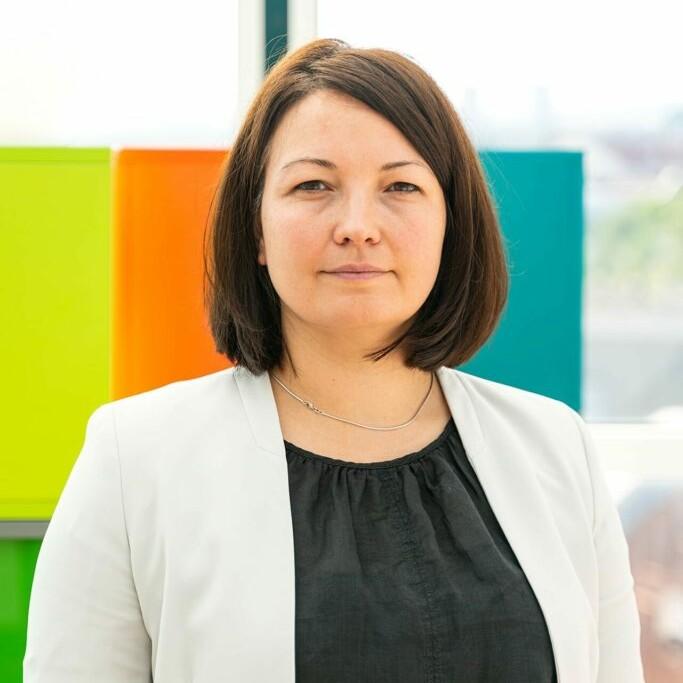
Inga Döbel, Research Associate, Municipal Strategy Development and Participatory Governance, Institute for Local Planning and Development, University of Applied Sciences Erfurt (IKPE) Inga Döbel (M.A.) is a research associate at the Institute for Local Planning and Development, University of applied sciences Erfurt (IKPE). The focus of her work is on the development of knowledge-based participatory and dialogue formats in the context of societal transformation. She specialises in digital participation, science communication and transferring academic knowledge into municipal innovation and planning processes. Inga Döbel holds a degree in linguistics and cultural studies, and her methodological expertise encompasses qualitative social research techniques such as scenario planning, as well as market and futures studies. At IKPE, she has also worked in project coordination, including implementing the European Social Fund (ESF)'s poverty prevention strategy in Thuringia.
|