
Social Services Delivery Innovation Award
This award recognises a public authority or social services provider that has introduced new and improved ways of delivering social services to better meet the needs of the users. This may include new integrated service delivery reforms, models, or approaches that enhance the quality, accessibility, and sustainability of social support.
Meet the Finalists
| Reimagining Social Services for an Ageing Population | Municipality of Kävlinge (Sweden) ▼ |
 |
As the number of older people is rising faster than the care workforce, Kävlinge Municipality in Sweden is responding to this demographic change by shifting from traditional care towards prevention, early intervention, and support for independent living. The municipality has built an integrated approach that brings together health promotion units, social workers, rehabilitation professionals, primary healthcare, and civil society to offer a coordinated first-line service for older residents, focusing on early intervention, rehabilitation, and social participation. Cooperation with Region Skåne, local health centres, pensioners’ associations, and other entities helps create a broader ecosystem that promotes healthy and active ageing, complemented by assistive and welfare technologies such as mobile safety alarms or medication dispensers. This model has contributed to a lower proportion of residents aged 80+ receiving home care despite an ageing population, demonstrating that more people can remain independent, while strengthening collaboration. |
| AskCI – An AI-powered chatbot for Citizens Information | Citizens Information Board (Ireland) ▼ |
 |
People increasingly use artificial intelligence (AI) tools to find information about their rights and public services, creating a risk of finding inaccurate or outdated advice. AskCI addresses this challenge by providing people across Ireland with reliable, accessible information based exclusively on verified content from Citizens Information. Developed by the Citizens Information Board in collaboration with the Office of the Government Chief Information Officer, the chatbot combines responsible AI with strong governance, accessibility standards and human oversight. It also directs users to Citizens Information phone and in-person services when additional support is needed, creating a seamless pathway between digital and face-to-face assistance. Beyond improving access to information, the project generates insights into users' information needs, helping to strengthen content and service delivery. Since launching in December 2025, AskCI has answered more than 44,000 questions in almost 21,000 conversations, demonstrating strong public demand for trustworthy, AI-enabled social services information. |
| BAGARA: Bridging Isolation to Inclusion | Gureak & Provincial Council of Gipuzkoa (Spain) ▼ |
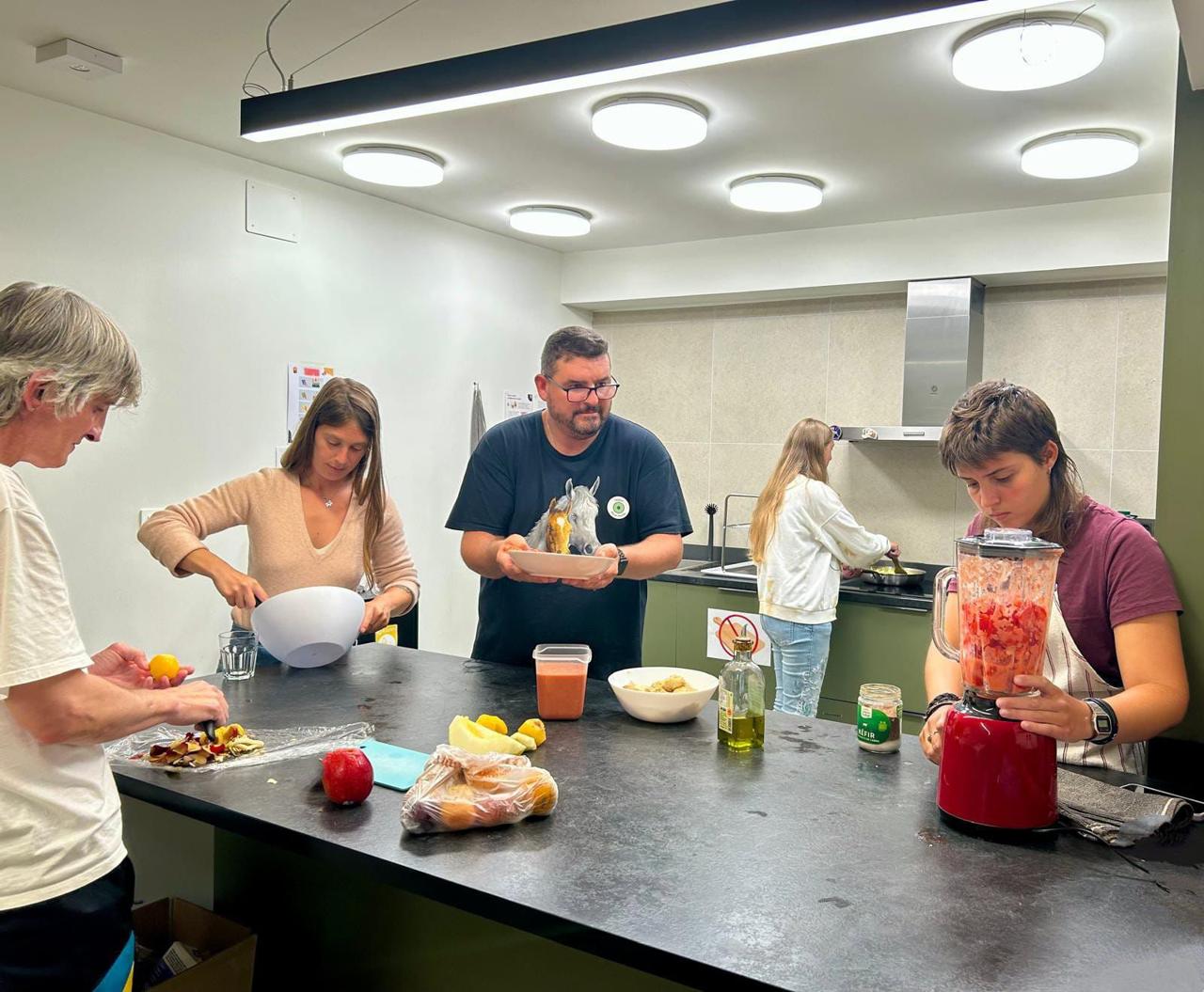 |
Gureak and the Provincial Council of Gipuzkoa created BAGARA for people with severe mental health conditions who are socially isolated and unable to access existing services. Based in Donostia-San Sebastián, the service connects people with mental health care, social services, training, employment and community activities. Participation is voluntary and flexible, allowing members to engage at their own pace without formal referral requirements. BAGARA remains in contact with members when they move to another service or participate less often, providing continuity while supporting progress towards other opportunities. Since January 2022, 95 people have joined BAGARA, and it currently supports 60 members. Ninety-five per cent were not previously connected to any service, and 66% achieved at least one social or employment outcome: 50 entered training, 30 found employment, and 27 accessed other services. Members rated the service 3.57 out of 4 in February 2026. |
| Barčica: Occupational and Therapeutic Community Day Centre | Association of Centres for Social Work (Slovenia) ▼ |
 |
Adults in Slovenia with long-term mental health difficulties often experience social isolation, stigma, repeated hospitalisation and limited opportunities to live independently in their communities. Occupational and Therapeutic Community Day Centre, Barčica, addresses these challenges through person-centred psychosocial rehabilitation, occupational activities and community participation that promote recovery and independent living. Working closely with a residential group, a supported housing programme, healthcare providers, municipalities and community organisations, the programme offers coordinated support across housing, health and social care. Service users take part in volunteering, cultural and intergenerational activities, supported work opportunities and initiatives such as the Green Programme and Caffe Verde, helping to build skills, confidence and social connections while reducing stigma. Operating continuously since 1996, the programme supports around 30 people each month. Evaluation shows improved independence, social inclusion and daily functioning, alongside reduced psychiatric hospitalisations and greater long-term community living, demonstrating the value of integrated, community-based mental health support. |
| A Central Career Portal | State Employment Agency of Azerbaijan (Azerbaijan) ▼ |
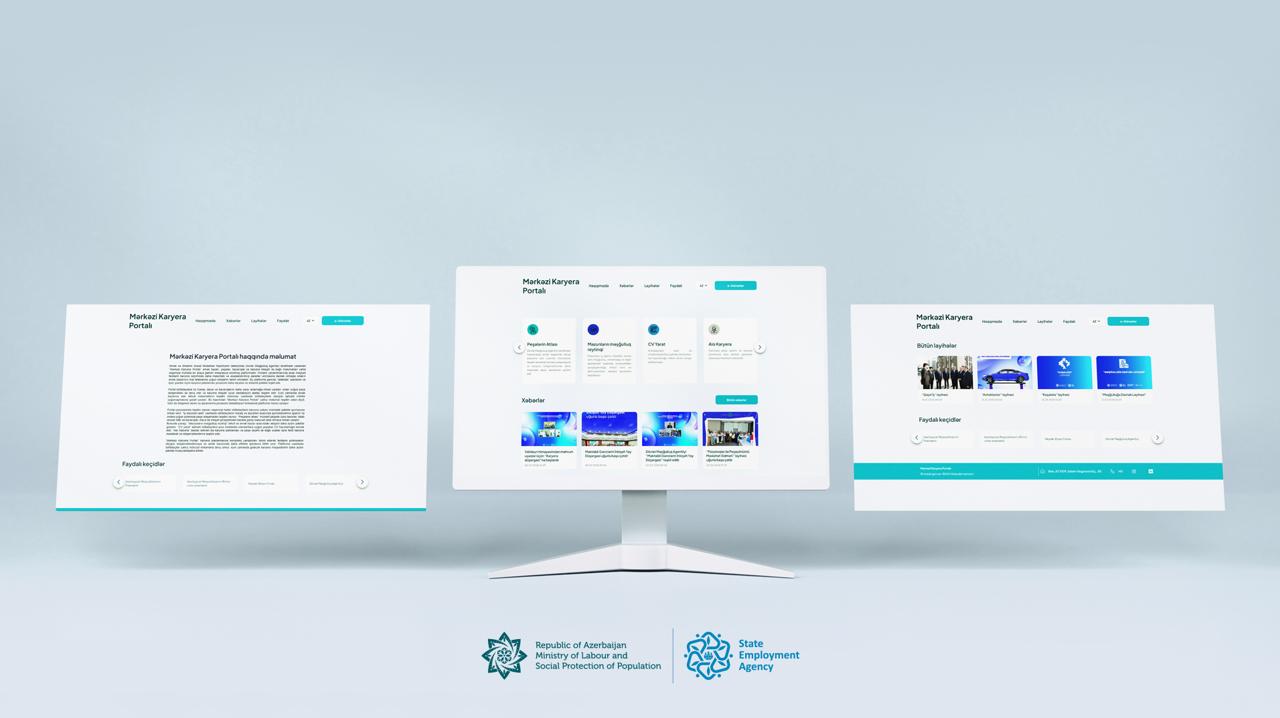 |
The State Employment Agency launched the Central Career Portal nationwide in 2025 to bring Azerbaijan’s career guidance and employment services into one place. It gives students, graduates, jobseekers, employees, employers and career counsellors free access to information and practical tools. Users can explore occupations and required skills, assess their job preferences, create a CV and receive online career counselling. The portal also links graduate employment data with education records, helping universities understand where courses do not match labour market needs. This section covers 35 higher education institutions and more than 150,000 graduates from 2018 to 2023. The online counselling service supports around 200 people each year. Approximately 70% are people with disabilities. The portal is available across Azerbaijan and continues to add services and data. By replacing several separate systems with one accessible platform, it helps people make informed career choices and improves cooperation between education providers and employment services. |
| Digital Homecare: Video Calls for Home Care Recipients | Municipality of Lund (Sweden) ▼ |
 |
Since 2023, Lund Municipality has offered voluntary video calls via user-friendly tablets to individuals receiving homecare services. The service enables users to continue living at home while providing greater freedom of choice, flexibility, independence and continuity in their care and support. Most users combine video calls with in-person home visits. Staff use the tablets for tasks such as medication reminders, health checks, assistance with online grocery shopping, and support before and after activities such as showering or taking walks. The tablets support remote care and social interaction through moderated group calls, including digital coffee breaks and seated exercise sessions, helping reduce loneliness and promote physical activity. Since March 2023, around 300 people have tried digital home care, with 140 current users - nearly 10% of home care recipients in Lund Municipality. Research from Lund University shows that video calls improve staff continuity and make care more punctual and predictable. Since April 2024, digital home care has been part of the municipality’s standard services, and in 2025 the initiative received the GötaPriset for Sweden’s best development project in publicly funded operations. |
| Integrated Social Clinic Model for Uninsured Residents | Social Innovations Foundation Regina Maria (Romania) ▼ |
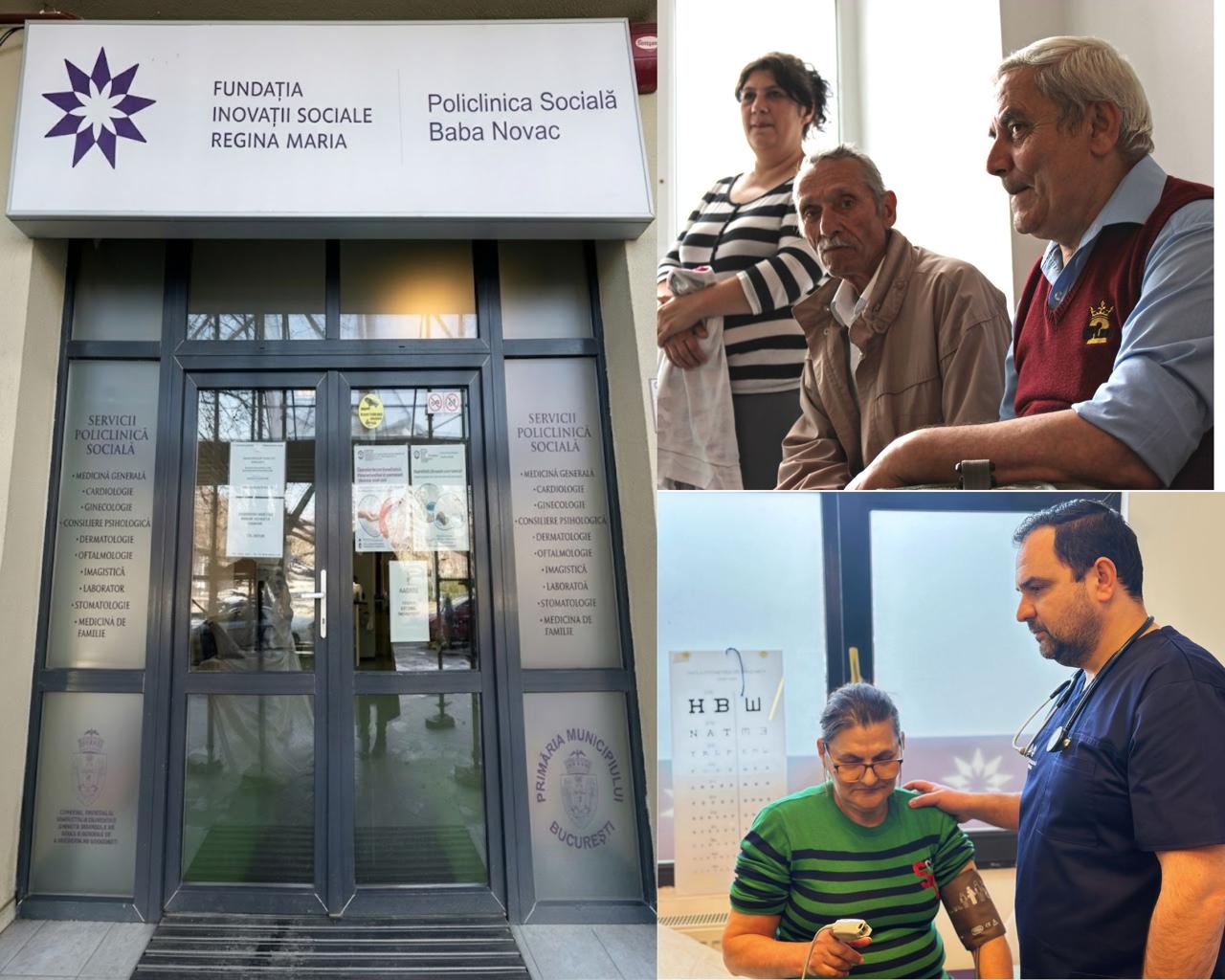 |
In Bucharest, many uninsured and low-income residents (including homeless people, older adults with insufficient income, survivors of domestic violence, refugees from Ukraine, Gaza and other conflict zones, and single-parent families) face significant barriers to accessing healthcare. With no coverage other than emergency medical services and no access to consultations or specialist referrals, 30% of the city’s population lacks health insurance. For this reason, Fundatia Inovatii Sociale Regina Maria, in partnership with the General Directorate of Social Assistance of Bucharest (DGASMB), has operated a social clinic for more than 15 years, providing integrated primary and specialist care at zero or minimal cost, linked to social support, alongside two other clinics where social patients can access free medical services. The model combines public, health insurance, and philanthropic funding to ensure inclusive care across more than 30 specialties, thereby supporting financial sustainability while reducing reliance on either public subsidies or philanthropic funding. In 2025, the clinics served 22,218 patients and delivered 90,426 investigations, with around 62% of their expenditure covered by their own medical revenues. |
| LEPS: National Supervision for Social Services Professional | National Council of Social Workers (Italy) ▼ |
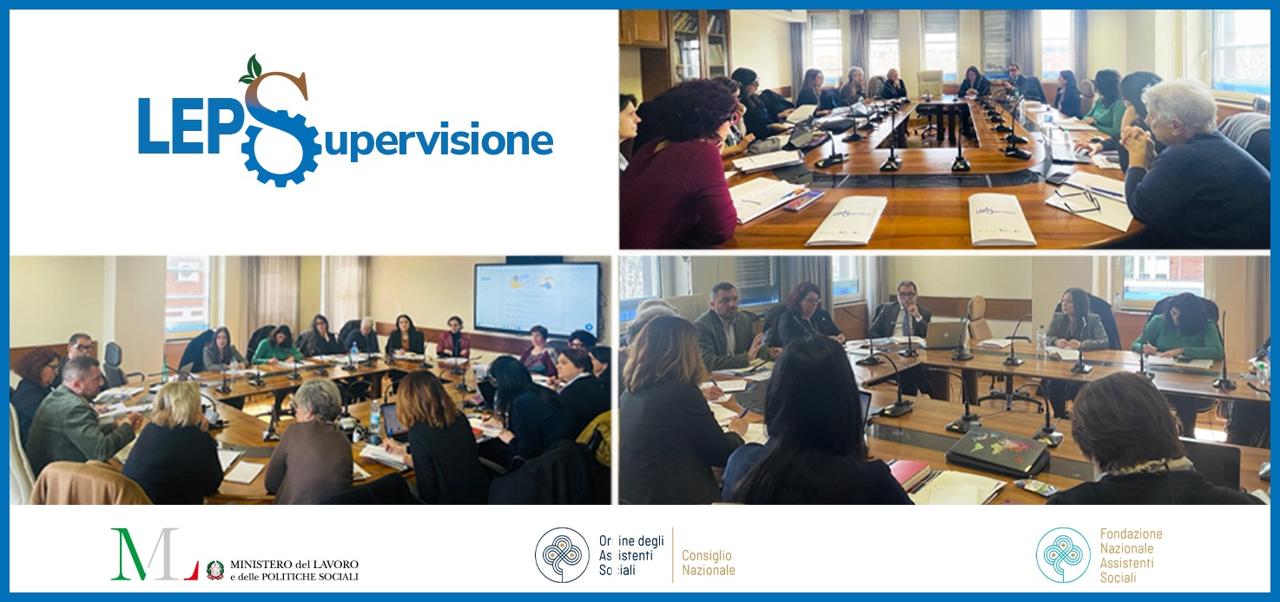 |
In response to increasing pressure on social workers and resulting turnover, Italy’s Ministry of Labour and Social Policies introduced the National Supervision for Social Services Professionals (LEPS), which provides professional supervision for social workers and teams from different professions. The programme gives professionals regular space to discuss complex cases, improve practice and receive support with heavy workloads, isolation and burnout. Before its introduction, supervision was inconsistent or unavailable in many areas. The programme has common national standards and stable funding, while local Social Territorial Areas adapt delivery to local needs. It reaches nearly 600 areas, around 15,000 social workers and 8,000 other professionals, including psychologists, educators and social care staff. Their work supports more than two million people and families using local social services. A national feedback survey completed by 19,000 social workers indicated that supervision is regarded as an important resource for professional development and managing organisational pressures, and helps improve relationships with colleagues and people using services. |
Examples of key areas of innovation in Social Services Delivery
Person-centred and co-designed services
User-led innovations that empower individuals, families, and communities to shape services to meet their needs in a more integrated manner.
Integrated service delivery models
A coordinated approach to delivering services between professionals within the same agency or programme, agencies or providers, enhancing efficiency and user experience.
One-stop-shop support systems
Systems that overcome fragmentation, simplify navigation for users across different services and improve referral to other services.
New workforce development models
Innovative ways of organising the workforce to facilitate better coordination and collaboration across services. This may include the creation of specialised roles and multidisciplinary teams.

Explore all award categories
← Back to Award Categories