
Leadership in Social Services Award
This award recognises a policymaker or leader in social services whose leadership has driven transformative change in social services systems, policies, or professional practice. It celebrates an individual with visionary and collaborative leadership that has shaped governance and strategy to specifically strengthen coordination across sectors and driven specific reforms or improvements in building long-term systemic partnerships to improve social policies and services.
Meet the Finalists
| Silvana Mordeglia: Coordinating Efforts and Pioneering Change for Social Workers | National Council of Social Workers (Italy) ▼ |
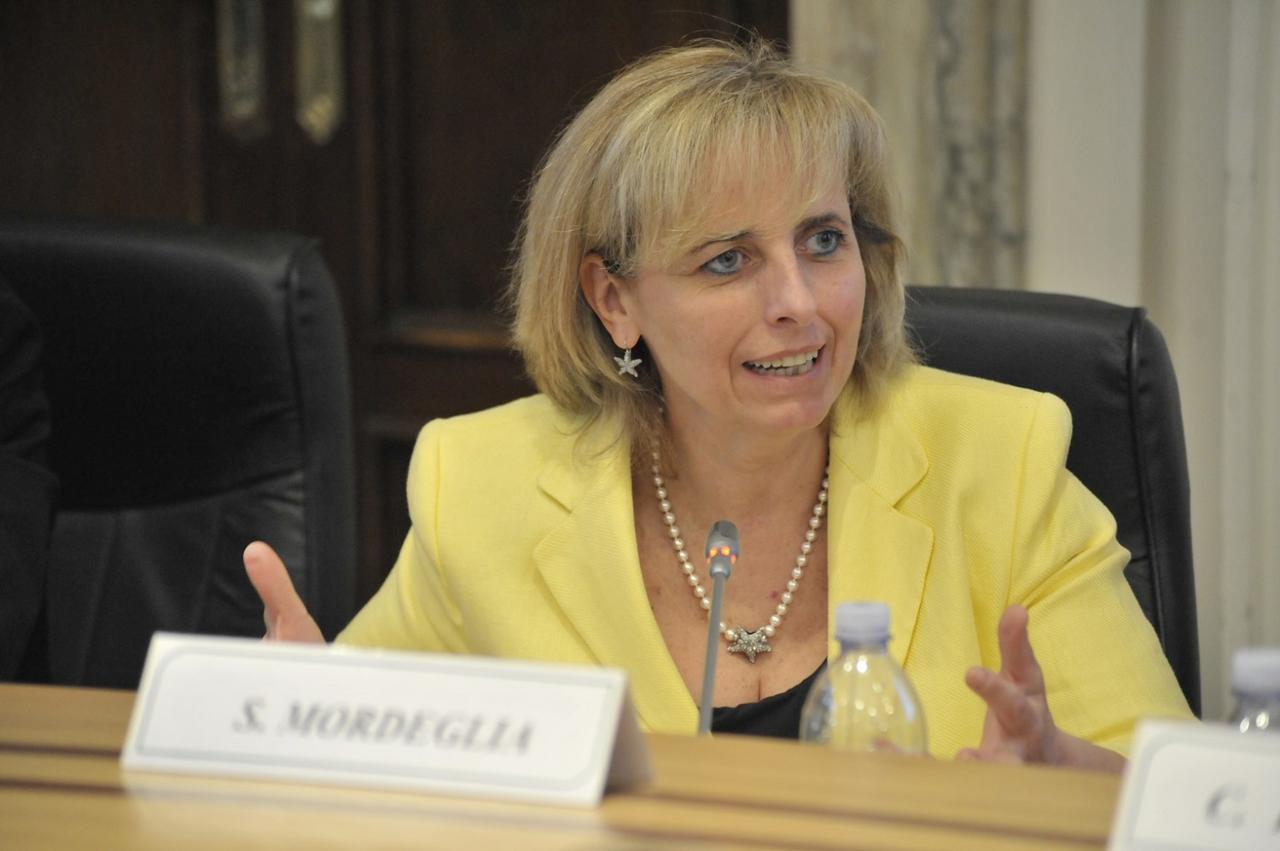 |
The leadership of Silvana Mordeglia is characterised by her ability to transform relationships, knowledge and pilot experiences into impactful, scalable and transferable integrated models. Under her presidency of the National Council of Social Workers (CNOAs), the Italian National Foundation of Social Workers was established as a national body dedicated to research and professional development. Under her guidance, lasting conditions were created for improving workforce skills, service quality, and service consistency. She broke barriers through the ‘Pilot Action for Unaccompanied Minors: Early Recovery Intervention’ (PUERI) project, coordinating multidisciplinary teams providing early support to unaccompanied minors. She also helped embed social work within emergency-response systems by promoting the establishment of the Social Workers for Civil Protection Association. The development of the ‘Guidelines on Support and Protection Processes for Children and their Families’ is another example of her successful coordination efforts, having brought together organisations representing different services and judicial authorities. With the sustainable impact of her leadership reaching 48.000 social workers, it is impossible to quantify just how many service have ultimately benefited from her work. |
| Damien Hernon: From Detention to a Rights-Based and Participatory Service | Oberstown Children Detention Campus (Ireland) ▼ |
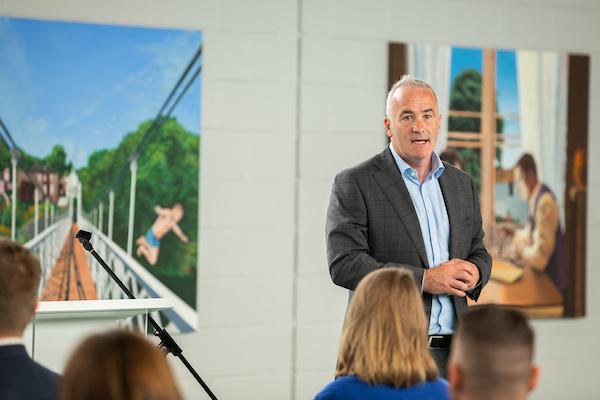 |
Oberstown Children Detention Campus is the sole place of detention in Ireland for those under the age of 18. Leading such an institution requires a complex multi-disciplinary approach spanning care, education, health, family engagement and reintegration. Damien Hernon took this responsibility to heart, working with other actors and providers to deliver a person-centred method that allows young people to shape services and public understanding. His leadership has had a big impact on the experience of young detained people, the governance of Oberstown, and the wider youth justice system. By embedding the Children’s Rights Policy Framework and 12 Campus Rules, his leadership ensured that participation and dignity are translated into everyday practice. While learning and training for their reintegration, young people are also able to make their voice heard inside and beyond the Campus. An additional focus on staff and organisational sustainability guarantee that Damien’s efforts in making Oberstown a collaborative and European-facing youth justice service will have a lasting impact. |
| Massimiliano Monnanni: Inspiring and Empowering Youth | ASP Asilo Savoia (Italy) ▼ |
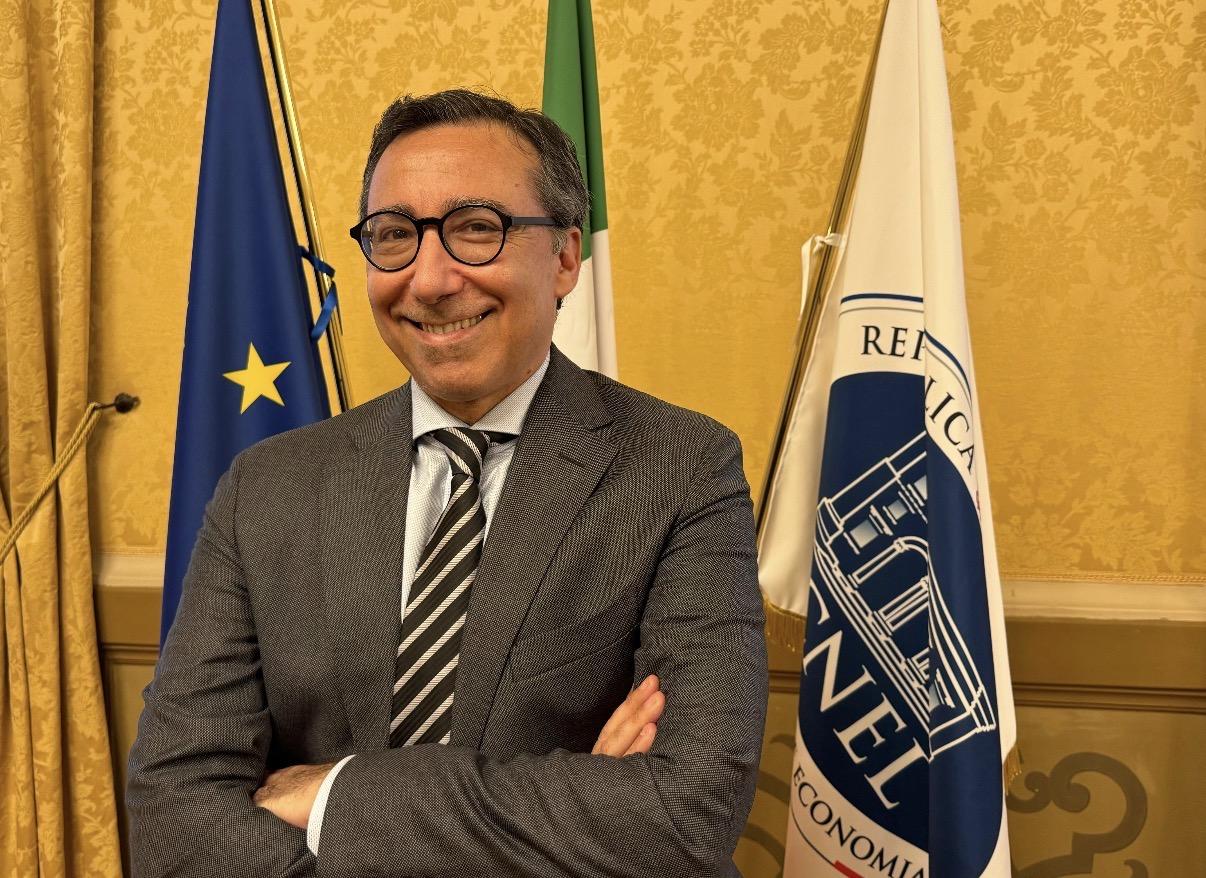 |
For over ten years Massimiliano Monnanni has been President of ASP Asilo Savoia, where his pioneering initiatives combining social services, youth empowerment, inclusion, and community regeneration fostered the transformation of the public welfare institution into a hub for social innovation. Sustainability and replicability are at the centre of Massimiliano’s approach, supporting vulnerable people through the lens of community-based welfare. He is responsible for Talent & Tenacity, the initiative that transformed confiscated assets into centres for sport, education, and social inclusion, benefitting more than 8.000 people every year. Beyond numbers, his impact is visible in the trust inspired among young people, families, and communities thanks to a values-driven leadership aimed at guiding people rather than simply responding to needs. Scholarships and jobs were created under Massimiliano’s committed leadership, and institutions have come together to build stronger bridges with citizens and vulnerable communities. |
| Teodor Sabolić: From Local Centre to Regional Hub | Centre for Community Services Varaždin (Croatia) ▼ |
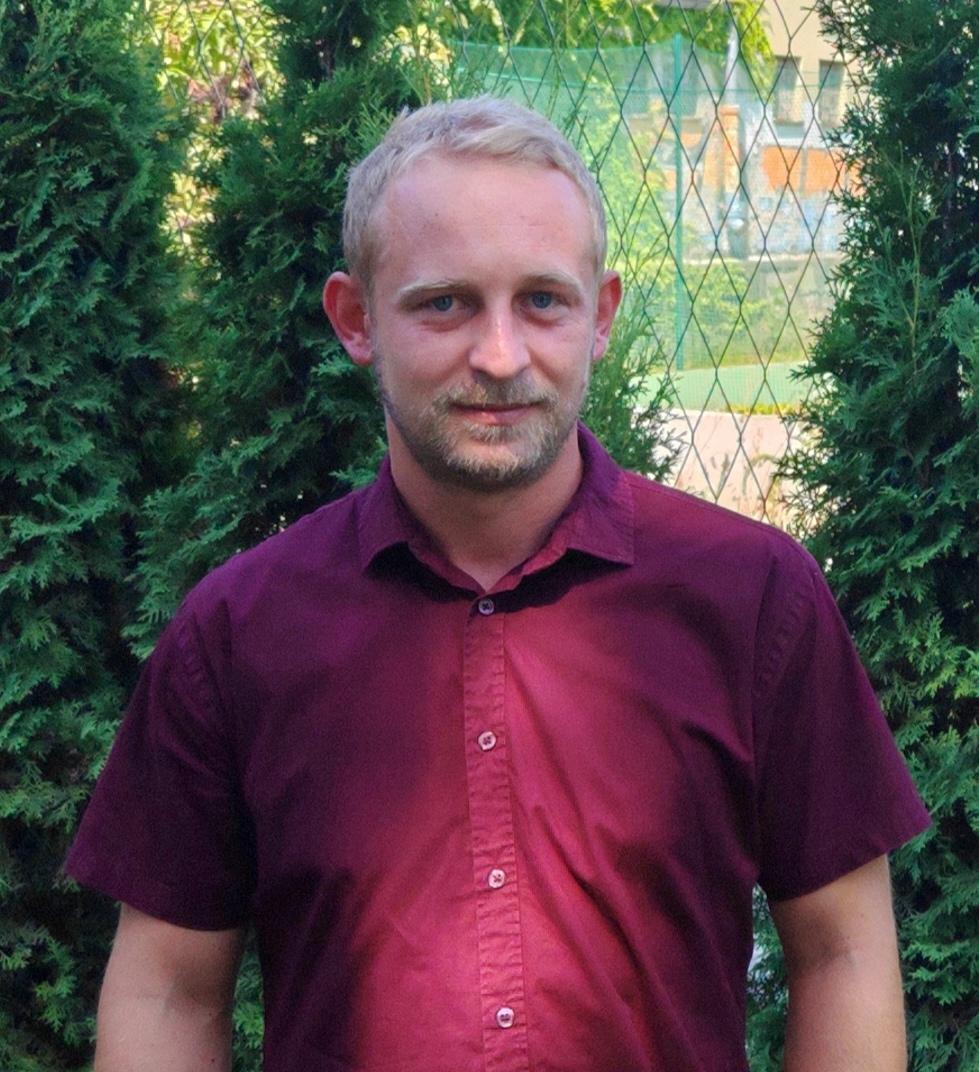 |
When Teodor Sabolić took over as Director of the Community Service Center Varaždin, Croatia, in 2023, the organisation had limited capacity to meet the region's growing social care needs. Children and families requiring support from multiple services often faced fragmented pathways between social services, health and education. Under his leadership, the Centre has expanded its services to support children with behavioural challenges, adults with disabilities and their families. He established VARtim, a multidisciplinary team bringing together professionals from social services, health, education and law enforcement to provide coordinated support. He also secured funding to introduce respite care for family caregivers and developed partnerships with schools, universities and community organisations, creating stronger links between services and the local community. Today, the Centre supports more people than ever before and has become a regional example of how collaborative leadership can deliver more joined-up, inclusive and sustainable social care. |
| Jasna Vešligaj Damiš: Pioneering Leadership in Long-term Neurorehabilitation in Slovenia | Center Naprej Maribor – Centre for Persons with Acquired Brain Injury (Slovenia) ▼ |
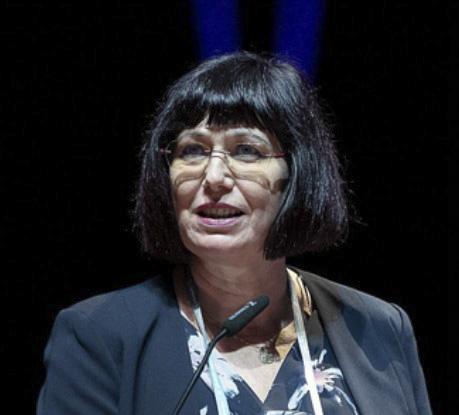 |
In a local context that lacked specialised long-term support for individuals with acquired brain injury (ABI) in the chronic phase – i.e. once acute and post-acute medical rehabilitation has ended – the visionary leadership of Jasna Vešligaj Damiš pursued an integrated approach to establish a community-based neurorehabilitation service. By founding Center Naprej Maribor, Jasna opened the door to a new wave of deinstitutionalisation, integrating health and social services into unified care. Beyond this, she contributed with publications and innovative approaches to the widespread implementation of co-production as a foundational principle of work with individuals with ABI. She initiated the development of Slovenia's first professional guidelines for long-term rehabilitation after acquired brain injury, subsequently bringing together experts across the health and social care sectors. Keeping participation at the core of Center Naprej’s work, Jasna fostered a new way of interacting with the local and international environment. A regular presence at international congresses, she has supported the transfer of the model to Croatia and continues to advocate for the sustainability of community-based rehabilitation in Europe. |
| Gabriela Giorgiana Schmutzer: Innovation in Continuity, Dedication, Partnerships | Bucharest 6th District City Council – General Directorate for Social Assistance and Child Protection (Romania) ▼ |
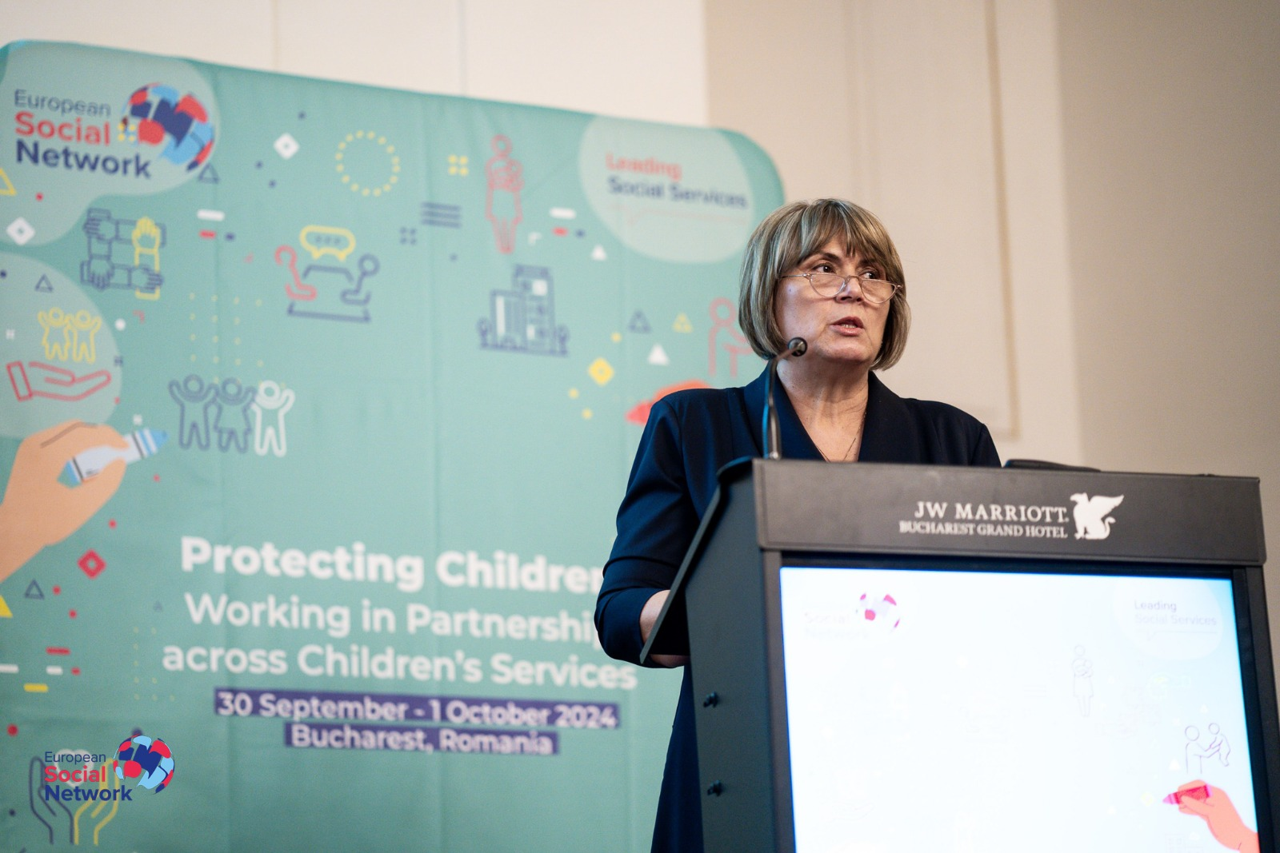 |
Leading the first General Directorate for Social Care and Child Protection in Romania to complete the deinstitutionalisation process for children from placement centres; establishing the first medical-social care unit in 6th District; founding the first publicly owned Local Food Bank in Romania: these are but some of the achievements of Gabriela Schmutzer in her ten years as General Director of DGASPC Sector 6. Believing that leadership in social services is measured through the lasting impact on people’s lives and through the strength of the institutions and partnerships established along the way, Gabriela spearheaded revolutionary initiatives aimed at improving the lives of vulnerable citizens, always striving to connect public institutions with NGOs and horizontal networks. This collaborative leadership multiplied the impact on the 45.000 annual beneficiaries of DGASPC Sector 6 – not to mention the modernisation of infrastructure and the European connection established though 20+ projects. |
| Mayor Onur Yiğit: Taking Down Barriers to Social and Environmental Justice | Municipality of Balçova (Türkiye) ▼ |
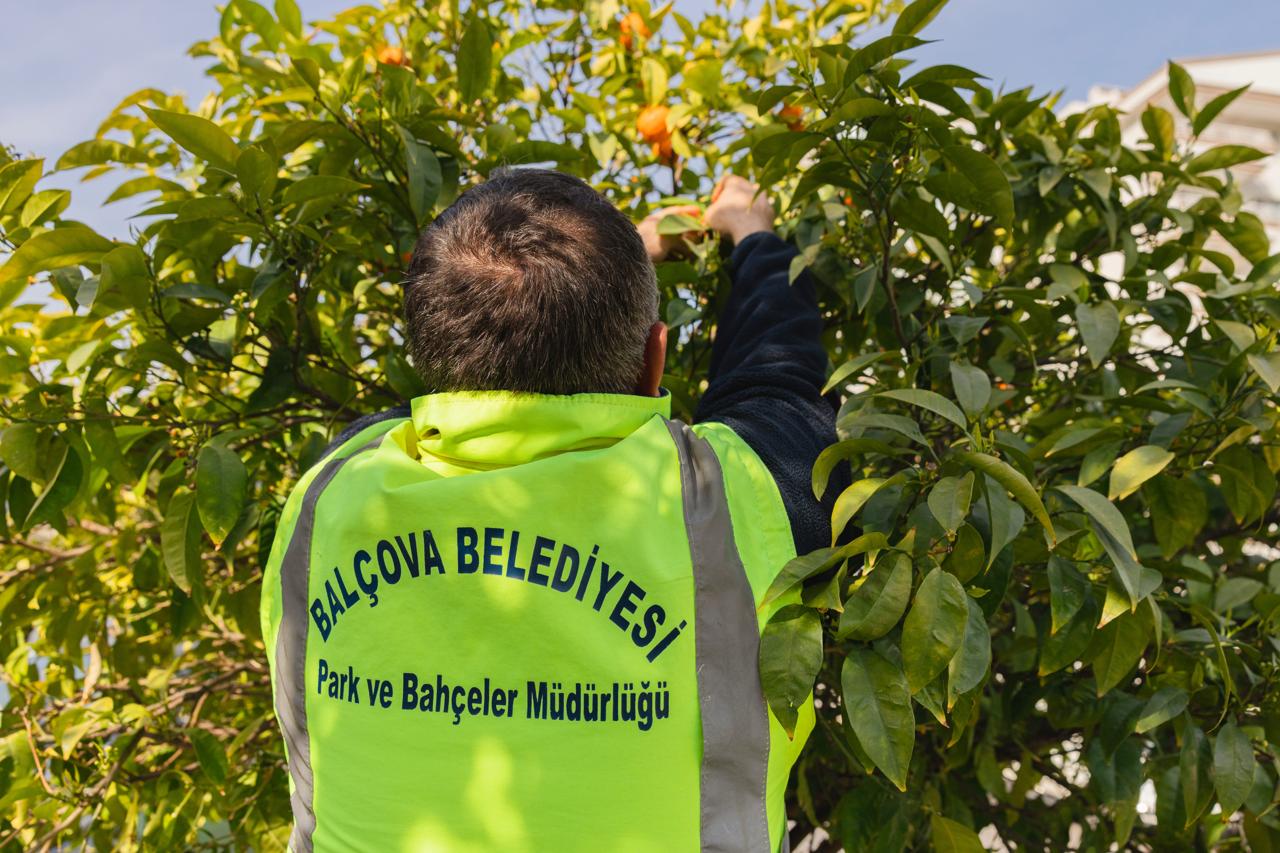 |
In traditional municipal structures in Türkiye, public welfare, environmental logistics, and resource management operate in isolated silos. Since taking office, Mayor Onur Yiğit has pioneered a governance model that shifts municipal social services from passive, procurement-based welfare to active, production-driven social development. For example, the “Circular Solidarity” framework transformed urban harvest into high-quality nutrition for vulnerable older adults and low-income families. This model of sustainable social equity based on neighbourhood-based hubs, reshaped the governance of Balçova into a community-centred model, demonstrating in the process the scalability of using existing tools to bring about meaningful change. The multi-layered impact of his leadership is evident through social welfare delivery schemes for 18% of the older adult population of Balçova, as well as for all newborns; decentralisation, budget optimisation and workforce development are also crucial crucial elements of the mayor’s approach. Sustainability is guaranteed through permanent transferable policy reforms, which makes the leadership of Onur Yiğit particularly commendable. |
| William McNamara: Building Ireland’s Aftercare System | Child and Family Agency (TUSLA) (Ireland) ▼ |
 |
Aftercare services for young people leaving care in Ireland have evolved significantly over the past two decades and William McNamara has been central to that change. As National Lead for Aftercare at Tusla, he has brought together government departments, local services, voluntary organisations, universities and young people with care experience to shape a more coordinated national approach. By building partnerships, securing investment and promoting consistent ways of working, he has strengthened support for young people leaving care, particularly in areas such as housing, education and employment. His collaborative leadership has helped embed aftercare in national policy and service delivery, ensuring widespread national media interest and consequently more stable funding. In turn, this has led to more young people being able to access the support they need as they move into adulthood. |
| Amira Bieber: Breaking Barriers in Labour Market Integration | Pro Arbeit – County Offenbach (Germany) ▼ |
 |
Pro Arbeit – Kreis Offenbach (AöR) is in a rare position among German job centres with its dedicated European Project Management unit, which Amira Bieber has led since establishing it in 2019. With 27 projects and more than 160 international partners, the unit supports labour market integration through beneficiary-oriented interventions. The experience gained through these projects and pilots helps Pro Arbeit look beyond existing approaches, respond to changing labour-market needs and better support beneficiaries on their path into employment. Amira’s leadership in EU-funded initiatives in the areas of social inclusion, employment, and community development is a testament to her dedication of supporting individuals facing barriers to labour market integration. Sustainable participated solutions, guided by the principle “Not about us without us”, have been achieved thanks to her efforts in bringing together public authorities, employers, educational institutions, and social services providers. Amira’s focus on exchanging knowledge across sectors and borders helps bring perspectives together and encourages professional growth for all her collaborators. In the county of Offenbach, hundreds of individuals from marginalised groups have benefited from initiatives developed and implemented under her leadership. |
| Chiara Celentano: From Staff Development to Better Care | emeis Italia S.p.A. – Richelmy Nursing Home (Italy) ▼ |
 |
Chiara Celentano, Director of RSA Richelmy in Turin, has built her leadership approach around a simple principle: better care starts with empowered people. Since 2022, she has led a cultural and organisational transformation focused on staff development, personal growth, shared responsibility and continuous learning. Rather than concentrating decision-making at management level, she created the conditions for professionals at every level to take ownership, develop their skills and contribute to lasting improvement. Her approach combines coaching, practical tools and innovative management methods, strengthening both staff wellbeing and organisational performance. This has translated into more efficient processes, stronger teamwork and significant improvements in quality standards, economic performance and staff satisfaction. Her impact also reaches beyond the organisation. Chiara played a key role in developing Turin’s first recognised Dementia-Friendly Community, bringing together public institutions, healthcare professionals, universities, voluntary organisations, businesses, citizens and caregivers around a shared commitment to inclusion. Chiara’s leadership demonstrates that investing in people is not simply a workforce strategy, it is a powerful way to improve care, build resilient organisations and create lasting positive change in the community. |
Examples of key areas of Social Services Leadership
Built long-term partnerships across sectors
Creating a shared vision and governance structure e.g. multi agency boards or coordination platforms.
Led integration of services
Such as joined up delivery pathways, multidisciplinary teams, joint care pathway or case management system
Created and led codesign with people using social services
Introduced innovative financing model
Coordinated service models or developed a new governance structure public engagement, and leadership in professional or policy discussions.

Explore all award categories
← Back to Award Categories