
Ageing and Long-Term Care Excellence Award
This award recognises a public authority or social services provider that has demonstrated outstanding commitment to addressing the needs of ageing populations through innovative long-term care models, integrated health and social care services, and coordinated community-based support for older adults. It honours initiatives that provide high-quality, person-centred care solutions that strengthen coordination across health, social care, housing, and community services, enhancing the well-being, dignity, and autonomy of older adults.
Meet the Finalists
| Integrated and Person-Centred Support for Early-Onset Dementia Care: CMAIN Centre | Madrid City Council - Department of Families, Equality and Social Welfare (Spain) ▼ |
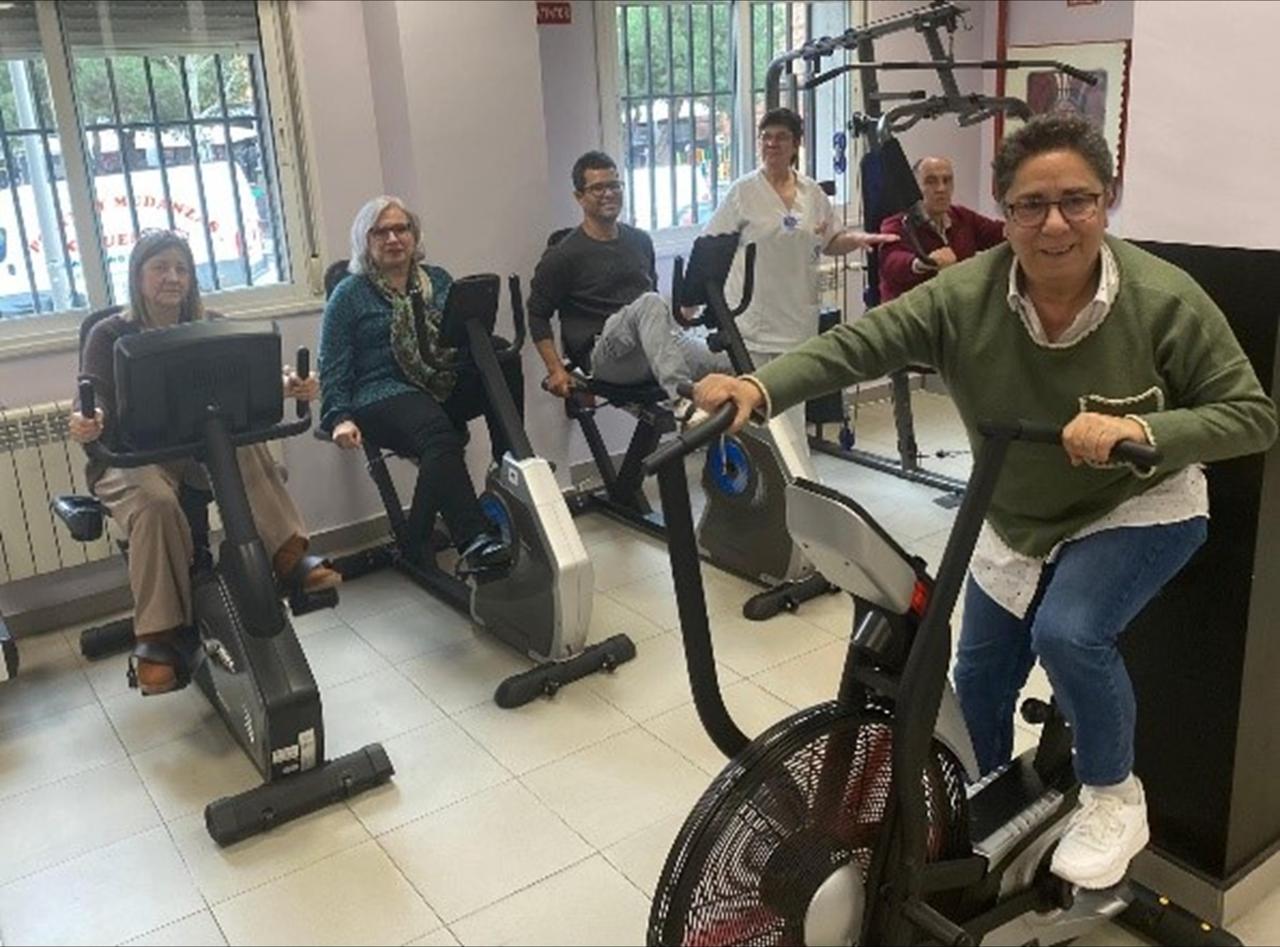 |
Early-onset dementia (EOD) affects people under the age of 65. However, there is a lack of specialised services for this age group, as most existing dementia care services are designed primarily for older people and may not fully address the specific needs and circumstances of younger individuals, including those related to working life, family roles and economic stability. Moreover, EOD is often characterised by faster progression. For this reason, Madrid City Council created CMAIN Dr. Salgado Alba, a pioneer and unique specialised centre in the Madrid region. It provides integrated, person-centred support to people with EOD and their families. A multidisciplinary team develops personalised care plans through shared decision-making and continuous evaluation, with families and the community playing a central role. The centre successfully integrates healthcare, social care and psychological support, overcoming traditional barriers between these fields. With a total of 60 places, the centre has supported around 380 people since it opened in 2006. It has achieved a 100% recommendation rate and an overall satisfaction rate of 99.7%, while contributing to an improved quality of life for people with EOD and their families. |
| Pflegehelfer+: Pathways into Long-Term Care Work | Pro Arbeit - County Offenbach (Germany) ▼ |
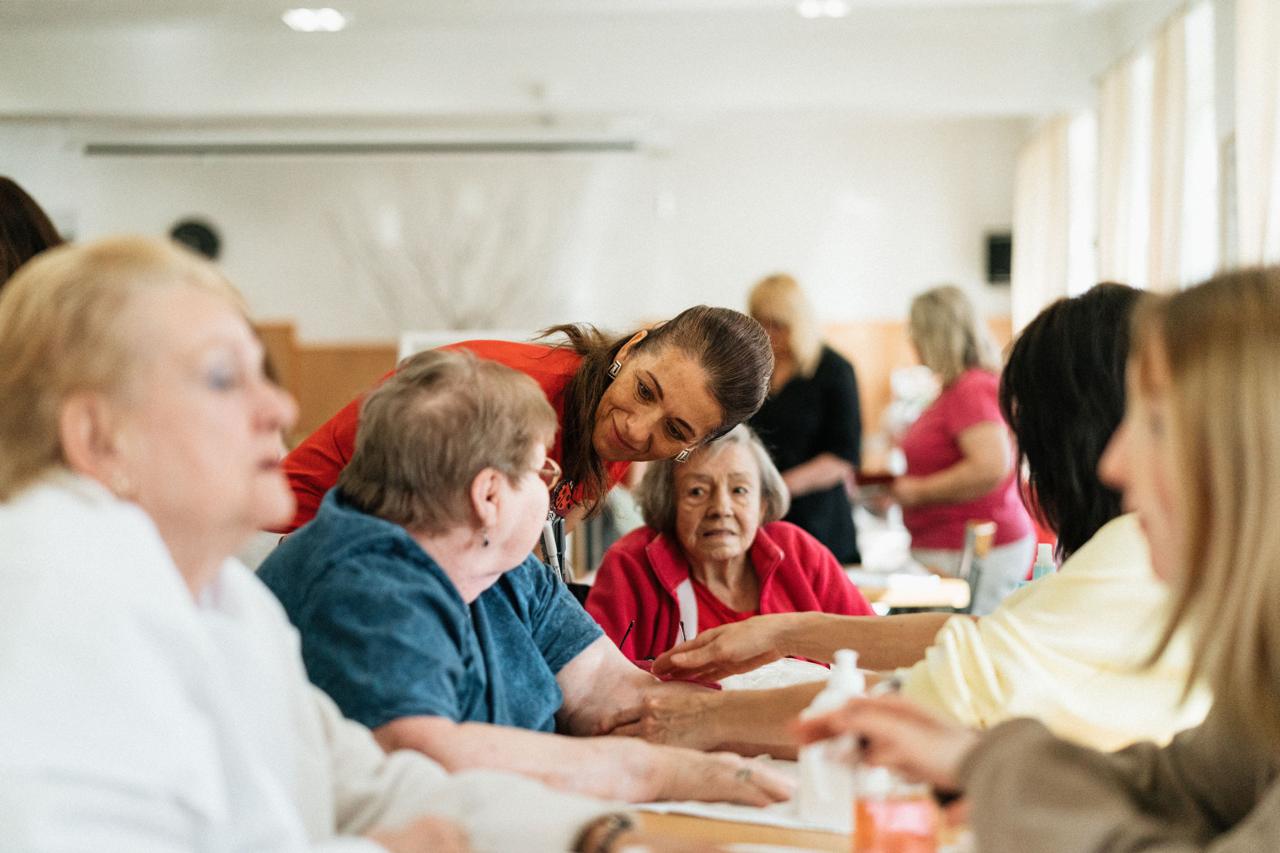 |
While many long-term unemployed people encounter barriers to employment because of limited qualifications, practical experience or language skills, Germany’s long-term care sector faces persistent workforce shortages. To address this mismatch, Pro Arbeit – Kreis Offenbach (AöR) addresses both challenges through Pflegehelfer+, a local project offering a pathway into care roles for jobseekers in Offenbach, Hesse. Through this initiative, which brings together the public employment service, training providers, and care employers, participants receive targeted vocational training, placements, and personalised support, facilitating accessible pathways into employment. Overall, 2,189 jobseekers were contacted for this initiative, 172 attended an information session, and 17 joined a 9-month training programme. This model demonstrates how employment and care services can work together to strengthen inclusion and build a qualified and stable long-term care workforce. |
| Building Connected and Socially Inclusive Communities for Older People | Avismón-Catalunya Private Foundation (Spain) ▼ |
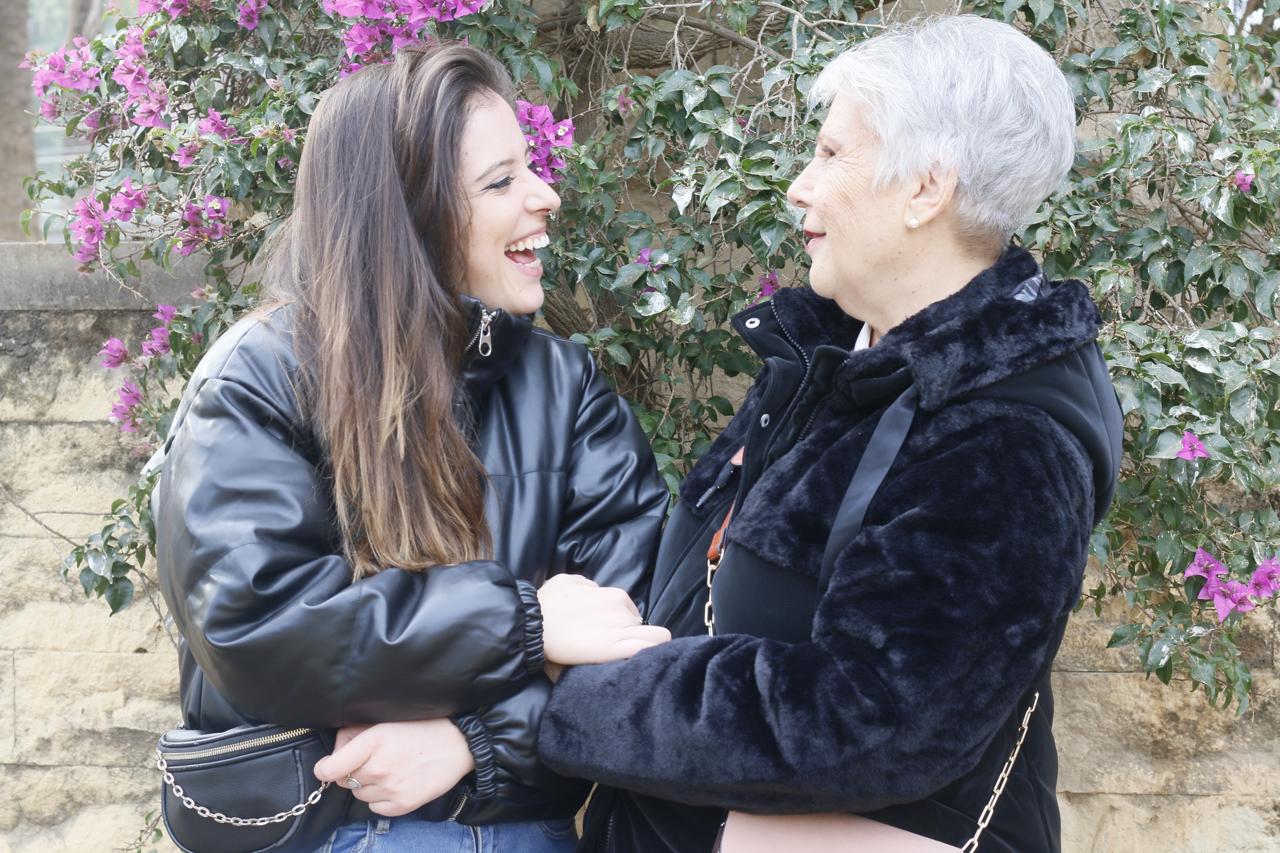 |
As community ties weaken, loneliness among older people is increasing. This situation can be aggravated by reduced mobility or the loss of peer support networks, leading to severe isolation. To address this, Fundació Avismon initiated in 2020 a project focused on those aged 75 and over who live alone. The project combines home-based companionship, neighbourhood activities and a coordinated network of volunteers and social workers, therefore ensuring a strong community-based approach. This proactive and community-driven approach helps identify people who may not be known to social services, with volunteers providing regular support and social workers assessing participants’ needs and developing individual plans, with psychologists available when more specialised support is required. Since its launch in 2020, the initiative has supported more than 965 older people, mobilised 500 volunteers and reached around 4,000 indirect beneficiaries. Of 350 participants assessed, 85% reported reduced loneliness and 70% increased their mobility. |
| Long Live the Elderly: Combatting Social Isolation among Older People | Community of Sant'Egidio (Italy) ▼ |
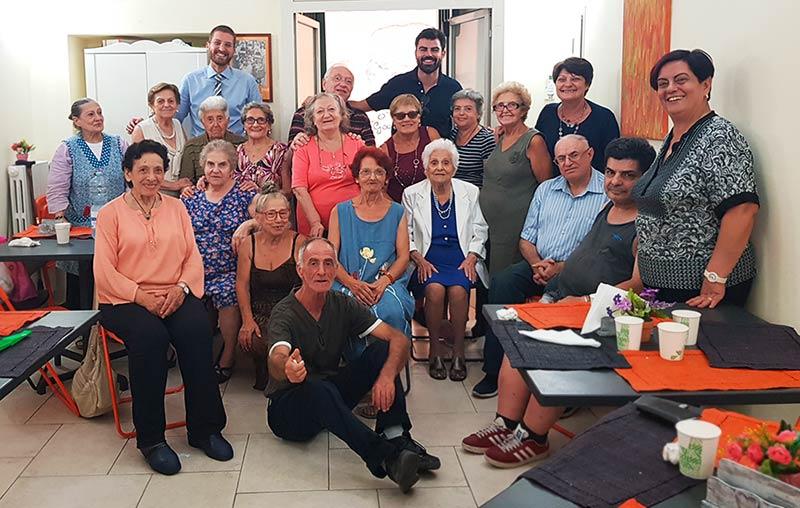 |
Social isolation is a major risk to the health and well-being of older people living in the community, increasing vulnerability to frailty, hospitalisation, institutionalisation, and mortality. ‘Long Live the Elderly!’, a project led by the Community of Sant’Egidio, addresses this challenge through proactive monitoring, regular telephone calls, home visits, frailty assessments, personalised care coordination, and support during critical events such as heatwaves. The programme brings together social care professionals, healthcare providers, municipalities, families, volunteers, and local communities to create coordinated support networks around each person’s needs. While originating in Italy in 2004, it has expanded across Belgium, Spain, and Ukraine, promoting prevention, and early intervention. Reaching around 30,000 older people, the programme has demonstrated significant impact, with stronger social support networks associated with lower hospitalisation rates and mortality. Among participants, ongoing social support was linked to mortality and hospitalization rates almost 20% lower than among those without support. |
| Aukeragune: Integrated Day Care and Community Ageing Model | Bilbao City Council (Spain) ▼ |
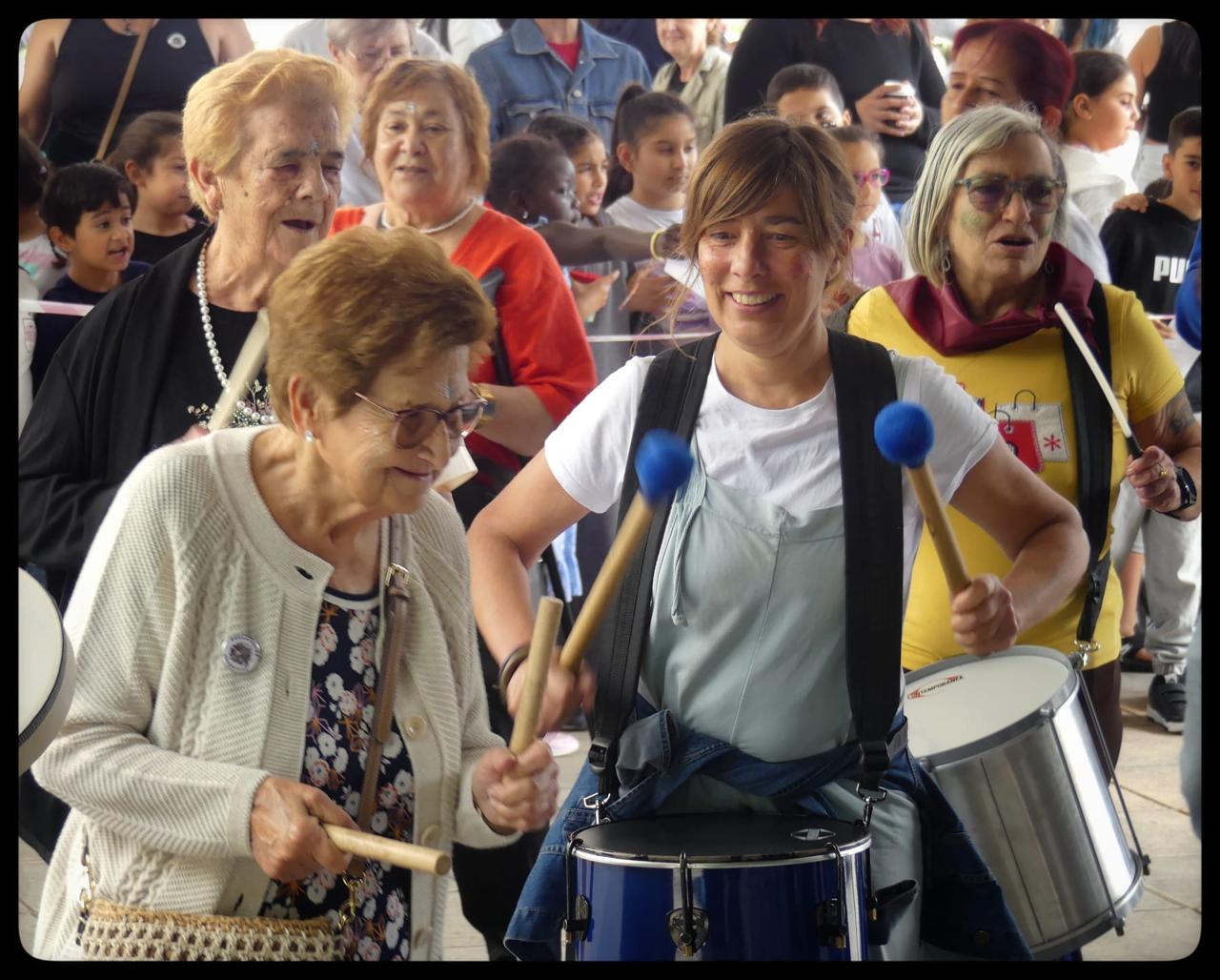 |
Bilbao City Council’s Aukeragune supports older people aged 65+ experiencing fragility, early-stage dependency, and loneliness. The project addresses the growing challenge of social isolation and loss of autonomy by intervening before needs escalate and more intensive care is required. The service combines personalised day care, multidisciplinary support and community participation within a single coordinated model. Social workers, psychologists and community professionals work together with local organisations to identify needs early, develop tailored support plans and strengthen social connections. By linking social services, community resources and neighbourhood networks, Aukeragune provides a continuous and person-centred pathway of care. Since 2022, the project has supported up to 80 users directly and reached more than 2,000 older people through community activities. Quantitative evaluations show improvements in autonomy, wellbeing and social participation, with nearly 59% of participants reporting reduced loneliness. The model is gaining international recognition as a transferable example of integrated, community-based long-term care. |
| Strengthening Skills for Integrated Long-Term Care | Municipality of Cremona (Italy) ▼ |
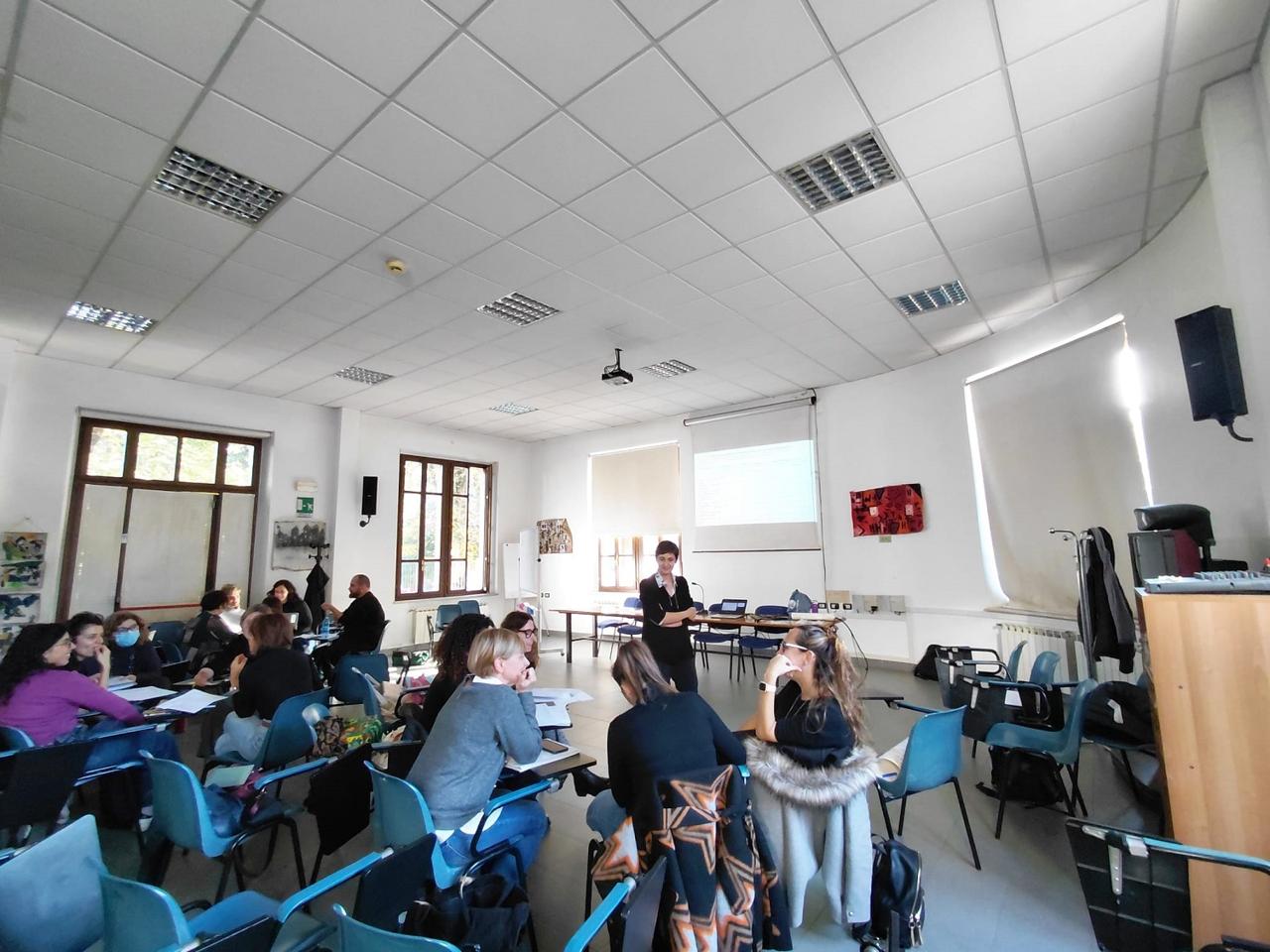 |
For older people with complex care needs, fragmentation can turn vulnerability into isolation. When social, health and community services use different languages, assessment methods and intervention models, families and carers may struggle to find coordinated and personalised support. The Municipality of Cremona and local partners, with the support of FNAS, responded by turning training into a driver of system integration. Following a participatory analysis of training needs and competences, the programme brought together social workers, service coordinators, health and social care professionals, Third Sector practitioners, academics and specialists to build competences, shared assessment approaches and a common professional language. The project focused on strengthening multidimensional assessment, case management, home-based support, community work and personalised responses to the complex needs of older people and their families. It involved 58 practitioners in the needs analysis, 60 participants in online sessions and 18 professionals in subsequent in-person workshops. In addition to the training, a shared conceptual roadmap for integrated and person-centred practice was developed: a practical tool to help services move beyond fragmentation and work together with older people, families and communities. |
| Bizkaia Integrated Longevity and Care Transformation Model | Biscay County Council (Spain) ▼ |
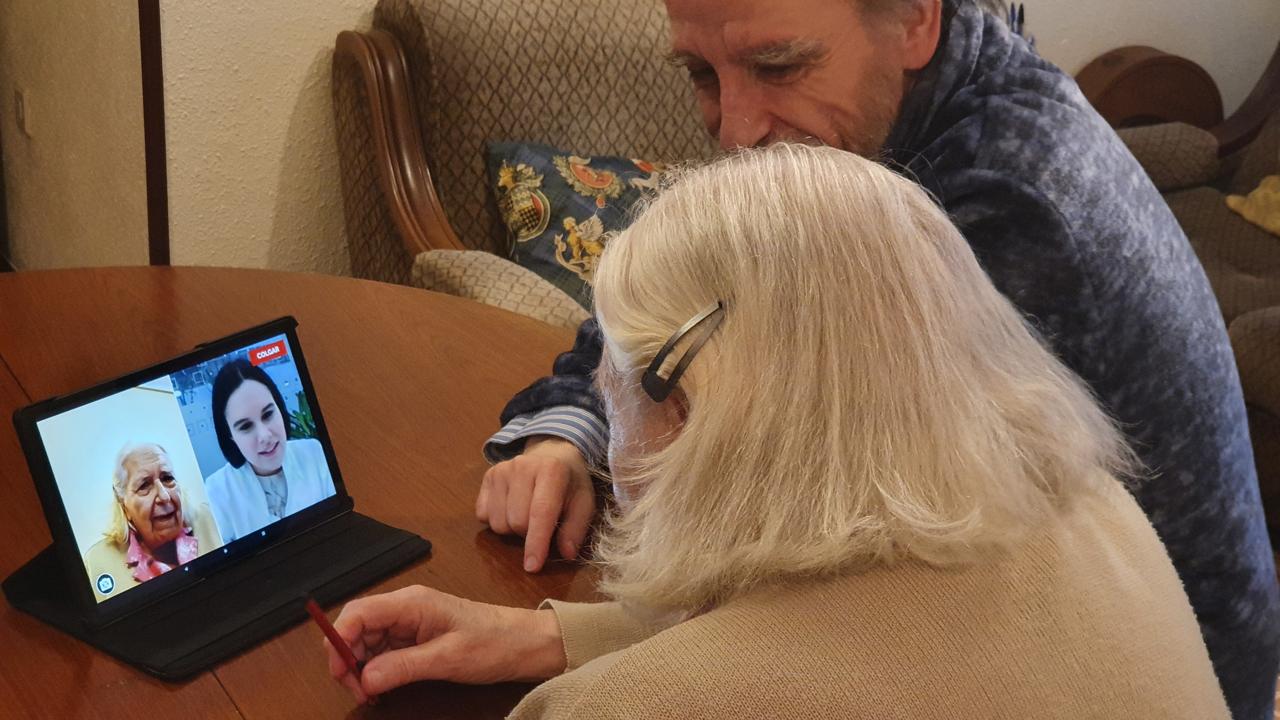 |
Bizkaia faces significant demographic ageing, with 24.3% of its population aged 65 and over, and a growing demand for prevention, personal autonomy support and long-term care services. Historically, ageing, health, social care and research were managed through separate structures, limiting coordinated and person-centred responses. Since 2021, the Provincial Council of Bizkaia has led a whole-system transformation that connects governance, research, prevention, community participation, long-term care reform and integrated health and social care. Bizkaia has moved from fragmented and sector-based approaches towards an ecosystem of coordinated, evidence-based and person-centred ecosystem for longevity and long-term care. The initiative has supported 3,140 people through its flagship Etxetic programme, transformed 18 residential care centres, created 46 household-based living units with 890 places, engaged 79 organisations through the Prevention Pact, and supported 46 municipalities to develop age-friendly action plans. The model provides a scalable framework for sustainable, person-centred ageing and care systems. |
| Social Support for Seniors with Dementia – Day Care Centres in Mazovia | Masovian Social Policy Centre (Poland) ▼ |
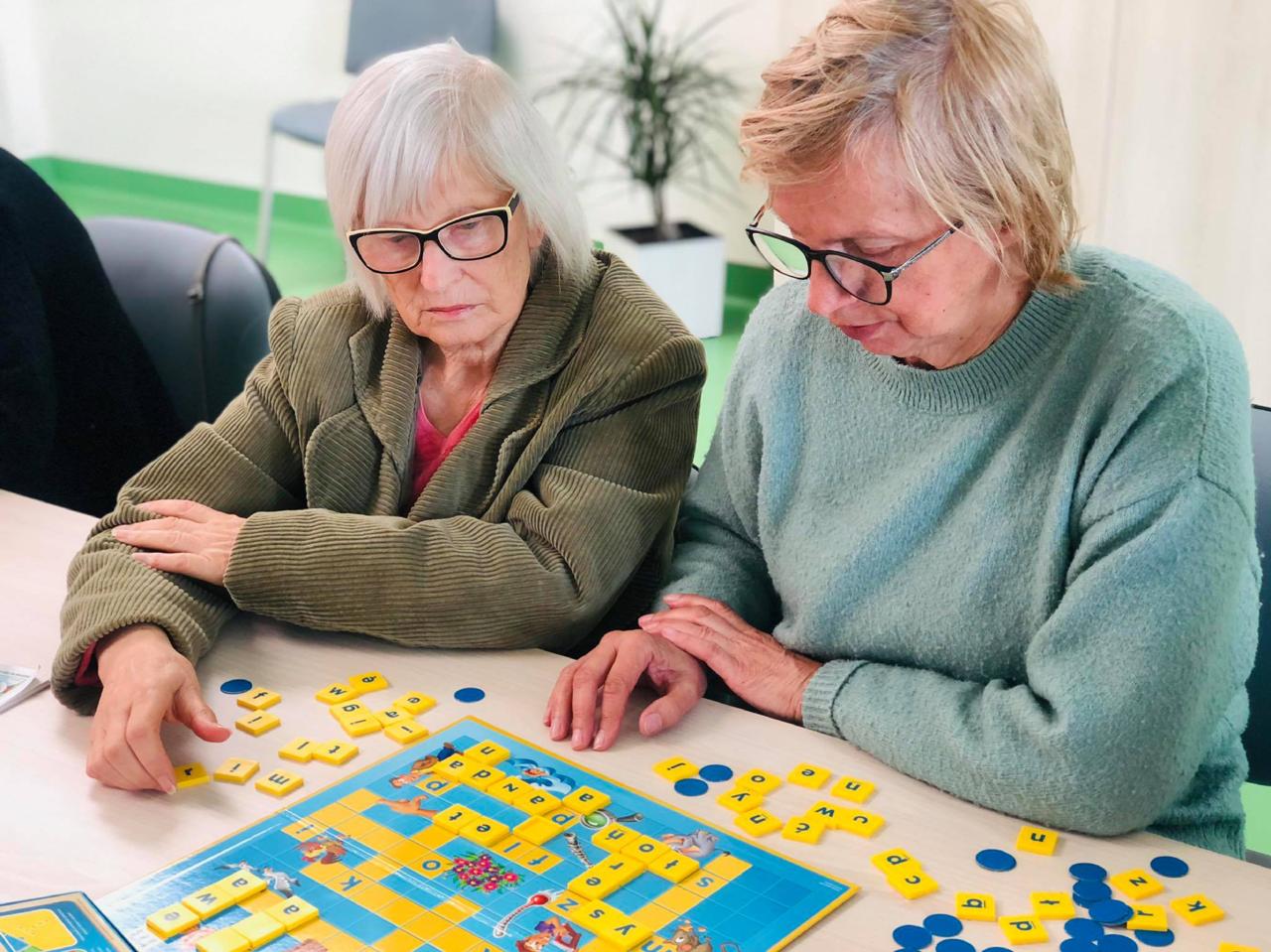 |
Launched in 2020 as a pilot by the Mazovian Social Policy Centre (MCPS) with regional NGOs, the project responds to the growing number of people living with Alzheimer’s disease and other forms of dementia in Poland. It provides community-based support for people in the early stages of dementia, helping them remain independent and active, delaying institutionalisation, and supporting families with professional care and respite. The pilot has expanded from 6 to 15 Day Care Centres (DCCs) across Mazovia, including Warsaw, Ząbki, Radom and Siedlce, supporting around 300 beneficiaries, with a target of over 400. Multidisciplinary teams provide cognitive and memory training, psychological support, rehabilitation, physical activity, speech therapy, and social and creative activities, alongside transport and meals. The project also promotes a “breaking down silos” approach through intergenerational activities with children and young people, reducing isolation and challenging stereotypes. Funded by the Government of the Mazovian Voivodeship, the programme has an allocation of approximately PLN 45 million (EUR 10.5 million), with results recognised at European Commission level and financing assured for the next five-year EU budgetary perspective, enabling the proven model to expand further, reach more people, support families and strengthen alternatives to premature institutionalisation. |
Examples of key areas of Ageing & Long-Term Care in Social Services
Integrated homecare and ageing in place programmes
Coordinated health and social care programmes jointly delivered at home and the community including nursing, personal care, rehabilitation, social support.
Community-based integrated networks linking all social services through strong local coordination models
Transitional care and hospital to home programmes
Supporting older people moving from hospital to home ensuring strong coordination between hospital and all community services.
Specialist dementia care
combining health, social and community support and services for people with dementia and their carers including a combination of diagnosis, therapy, community initiatives and caregiver support.

Explore all award categories
← Back to Award Categories