Strengthening Communities and Social Inclusion Award
This award recognises a public authority or social services provider that has developed coordinated and collaborative community-based support systems to enhance social inclusion. It highlights initiatives that empower individuals and communities to actively participate in shaping integrated, accessible, and inclusive social services, particularly for vulnerable groups such as homeless people, refugees, migrants, or those experiencing poverty, social isolation, or other forms of exclusion.
Meet the Finalists
| The Family Community School Link (FCSL) Programme | Directorate for Planning and Strategic Foresight, Ministry for Education & Sport (Malta) ▼ |
 |
The Family, Community, School Link (FCSL) programme is a school-based outreach and support service. It promotes active parental participation in children’s education, enhances communication between families and schools and encourages partnerships with community organisations through joint projects, events, and community-based learning opportunities. FCSL Outreach Officers are assigned to schools depending on the needs of the school population and community. Officers act as a bridge between parents, educators, support services, and the community to ensure that children and families receive timely guidance and assistance. Through outreach, engagement, and collaboration, FCSL identifies and addresses risk factors that may affect a child’s wellbeing, attendance, behaviour, learning, or family stability. Initially introduced as a pilot project within the Directorate for Planning and Strategic Foresight in four schools in October 2024, the FCSL service has since developed into an official programme within the Ministry for Education and Sports. FCSL expanded to 30 schools by January 2026 and plans to extend the services to at least 10 additional schools by December 2026. By July 2026, the service had reached over 4,000 families, delivered more than 23,000 interventions, and conducted 40 workshops reaching over 500 parents. |
| TRANSIS LAB: Living Lab for Social Innovation in Longevity | GizaLab (Spain) ▼ |
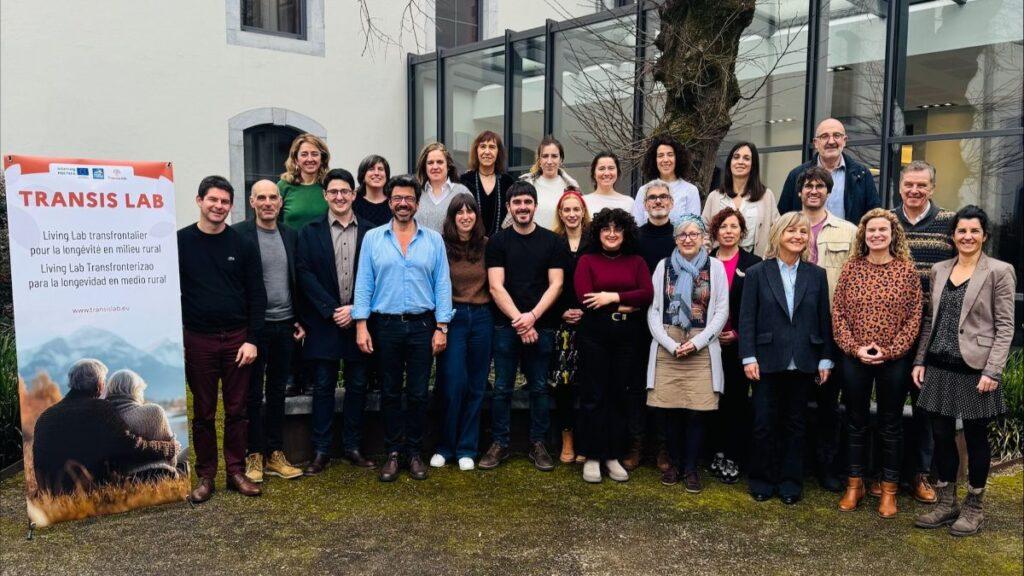 |
TRANSIS LAB is a cross-border Living Lab funded by the INTERREG POCTEFA Programme and led by the Department of Welfare, Youth and Demographic Challenge of the Basque Government (Spain). The partnership brings together 3 public administrations, 4 social organisations, 2 universities and 1 technology company from the Basque Country and Navarre (Spain), and the Hautes-Pyrénées and Pyrénées-Atlantiques (France). It brings together public authorities, researchers, professionals and citizens to co-design and test innovative solutions for healthy ageing in rural areas. Its main innovation, FRAGILAB, is a quasi-experimental social innovation model combining multidimensional frailty assessment with personalised support pathways. Developed and tested in real-life settings, FRAGILAB generates evidence on how to prevent frailty, promote autonomy, and improve quality of life among older people. TRANSIS LAB addresses one of the major challenges facing European rural territories: how to develop coordinated, preventive and community-based responses to ageing and frailty in contexts marked by territorial dispersion, weak service accessibility and increasing social isolation among older people. Up to 400 older people (65+) living at home in situations of physical and/or social frailty have been involved, alongside around 90 professionals from social and health services and community organisations. |
| Talent & Tenacity: From Organised Crime Centres to Community Hubs | ASP Asilo Savoia (Italy) ▼ |
 |
Talent & Tenacity transforms confiscated sports facilities from organised crime into integrated community hubs for social inclusion, youth empowerment, education and employment in Montespaccato, Rome. The project combines sport, education, employment support, health promotion, volunteering and active citizenship in a context marked by organised crime, educational poverty, youth marginalisation, social exclusion and weak coordination. By rebuilding trust, participation and collaboration at neighbourhood level, “Talent & Tenacity” demonstrates how integrated community-based services can generate long-term systemic change and become a transferable model for inclusive urban regeneration across Europe. The project directly reaches more than 8,000 people annually, including over 500 young athletes and children. Two social enterprises were established, more than 20 young people obtained stable employment contracts, and 48 young participants were supported in entering the labour market. More than 34,500 volunteering hours have been recorded through civic participation and neighbourhood regeneration activities. |
| Orio's Everyday Inclusion Model | Municipality of Orio (Spain) ▼ |
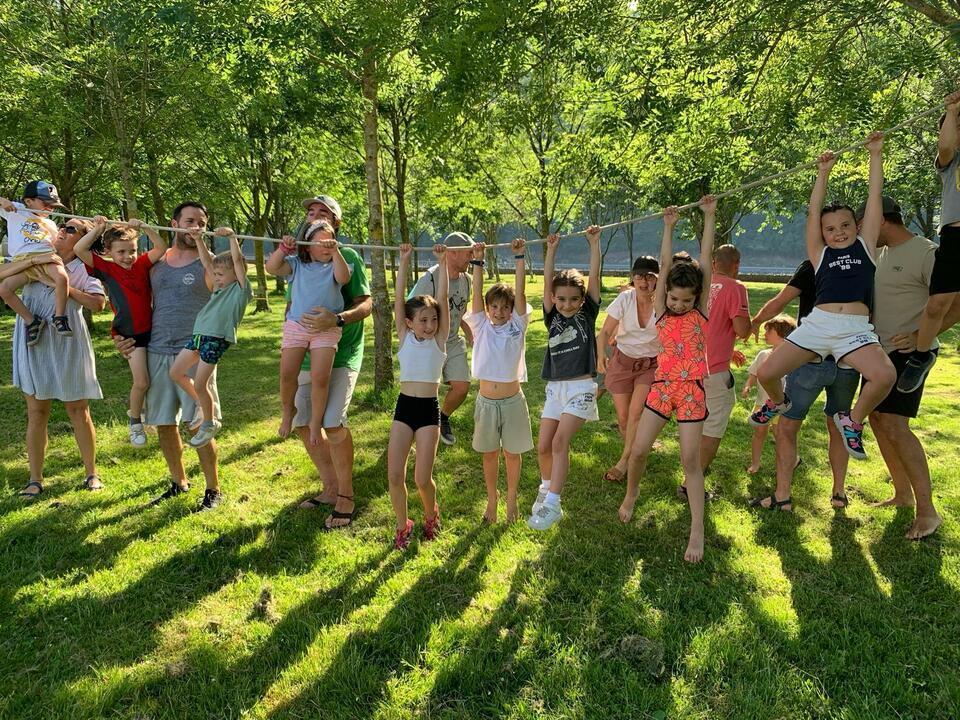 |
The Municipality of Orio connects social services, childhood support, community gardens and local renewable energy to turn fragmented responses to poverty into shared access to everyday resources, strengthening inclusion and community cohesion. The innovation lies not in a single new service, but in the connection of areas that are usually managed separately: social services, childhood participation, language inclusion, community gardens, energy transition, care, equality and emergency support. With this approach, social services move from administrative processes to diagnosis, case management, psychosocial and socio-educational intervention, and coordination. This turns inclusion into a shared municipal system rather than a set of isolated programmes. The model is systemic because it links emergency support with prevention, material support with participation, and public services with community assets. Its value lies in showing that inclusion is not built only through benefits, but through shared access to the resources that make daily life possible. The project covers all residents of Orio, prioritising those most at risk of poverty and exclusion. |
| É um Restaurante: A Restaurant Creating Pathways to Employment and Inclusion | Crescer na Maior - Community Intervention Association (Portugal) ▼ |
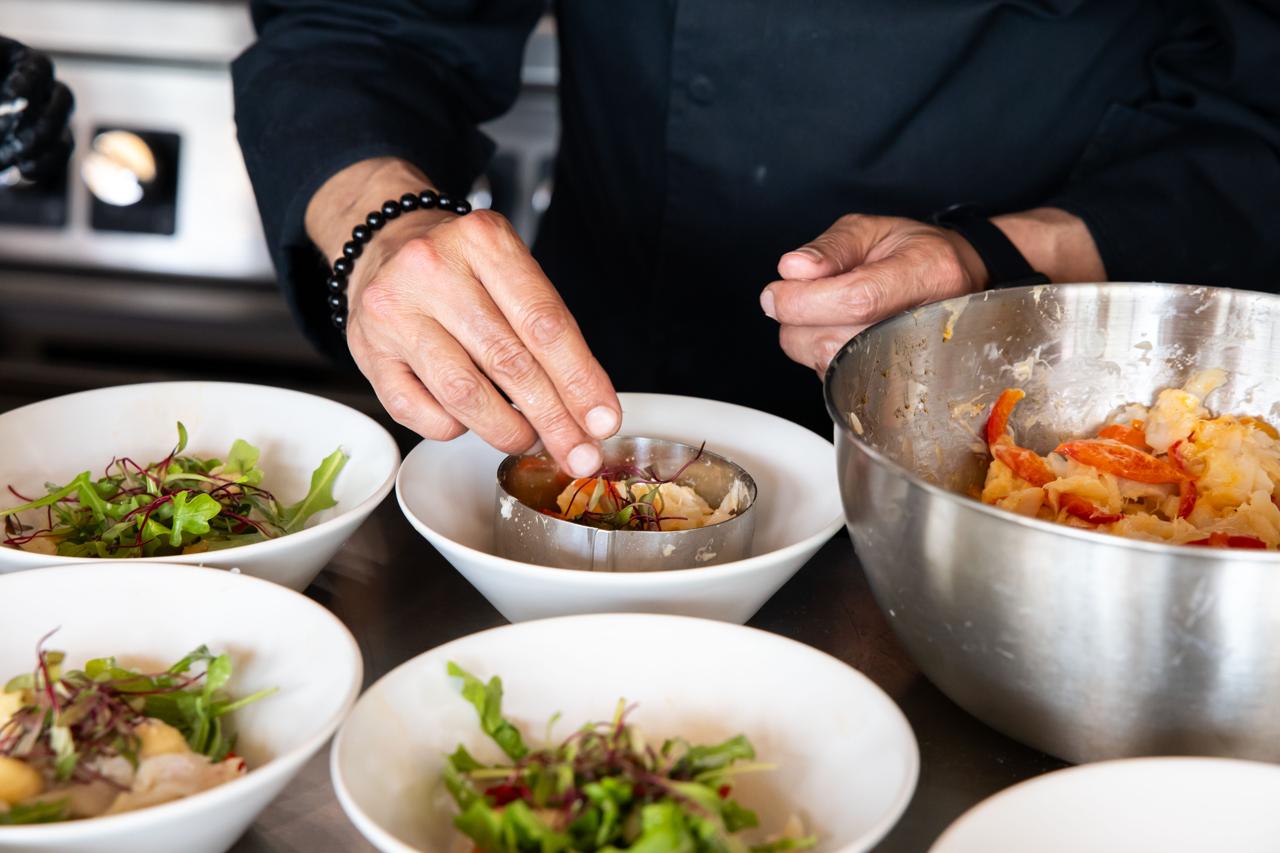 |
É UM RESTAURANTE (EUR) combines certified vocational training, on-the-job experience, and multidisciplinary support to create sustainable pathways to employment, autonomy, and social inclusion. The project has evolved from its initial focus on people experiencing homelessness into a broader inclusion programme that also supports migrants, people who use drugs, former prisoners, and young people leaving institutional care, with the aim of preventing deeper forms of social exclusion. The programme is built around a structured and certified training pathway, followed by on-the-job training in CRESCER's restaurants. Throughout the process, each participant works with CRESCER's technical team to build an individual life project, identifying goals and creating the conditions for greater autonomy and stability. Support does not necessarily end when training does: participants can continue to access follow-up from the CRESCER team, helping them navigate challenges, remain in employment and build a more stable and autonomous life. By bringing together training, employment and ongoing support, É UM RESTAURANTE creates real opportunities for change and makes social inclusion part of a longer-term, person-centred journey. Today, more than 50% of trainees who complete the on-the-job training successfully transition into the labour market, demonstrating that, when people are given opportunities and support, employment can be a powerful pathway towards autonomy and inclusion. |
| ZELFIE: Empowering Female Refugees | Weener XL - Municipality of ’s-Hertogenbosch (The Netherlands) ▼ |
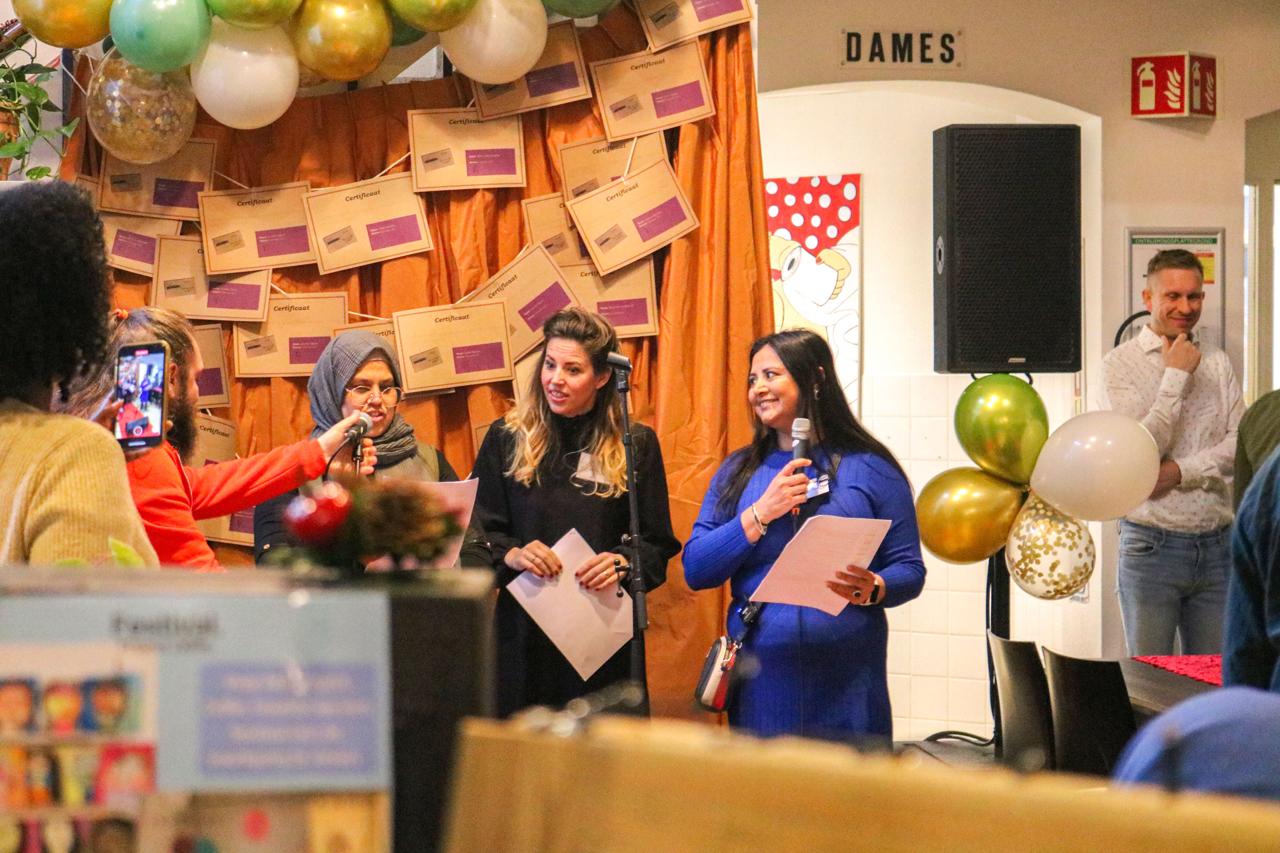 |
Zelfie increases the social inclusion of low-educated female refugees by enabling them to take shared ownership of their development towards participation and work. Developed through participatory action research, the project starts with trust, relationships and shared exploration rather than predefined goals and linear pathways. Participants and professionals jointly shaped the programme and learned together what works, for whom and under what circumstances. Women became active co-creators of both their own trajectory and the development of the approach itself. Depending on their individual situation, pathways included education, volunteering, language development, parenting, community participation and employment. In total, 56 women aged 28-55 participated, of whom 41 completed the full trajectory. Community-based activities, excursions, public events, documentary photography and storytelling strengthened social cohesion, visibility and mutual understanding. The project also led to changes among professionals and partner organisations. By working from shared ownership, as well as culturally and gender-sensitive principles, professionals became better equipped to respond to complex and interconnected challenges. As a result, services became more aligned with participants’ realities and more effective in supporting long-term inclusion. The lessons learned have been embedded in regular practice and contribute to broader system change. |
| ESC SingAlong Tour: Giving Residents a Voice | Consortium of Retirement Homes in Vienna (Austria)▼ |
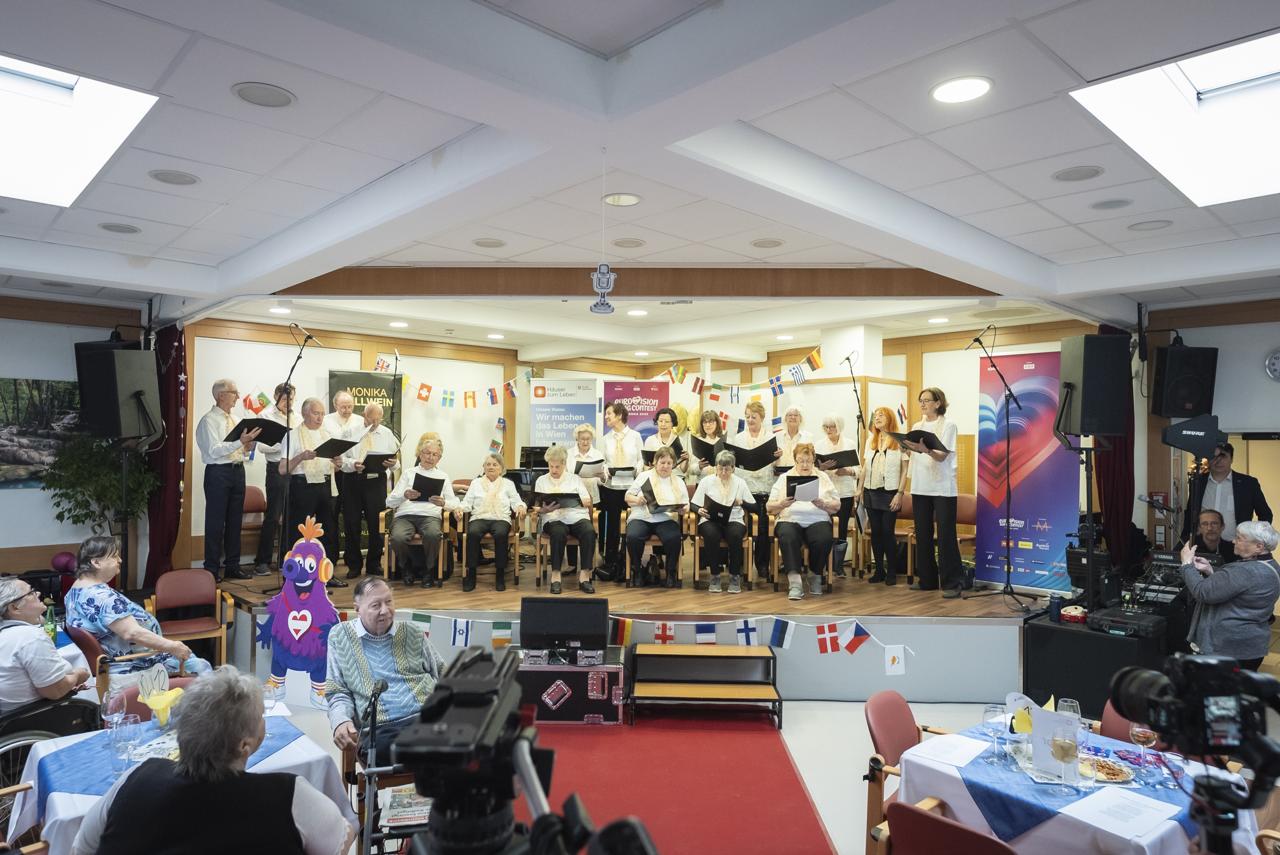 |
The ESC SingAlong Tour delivered professionally facilitated singing events, storytelling, and media engagement to people in residential care around the Eurovision Song Contest 2026. The aim was to increase visibility and change public narratives around people in residential care in Vienna, using the Eurovision Song Contest as a major public event and bringing together social services, the Austrian Broadcasting Corporation, older people, and artists. The ESC SingAlong events reached approximately 900 residents across three participating Häuser zum Leben facilities. The project reached wider audiences through its collaboration with ORF and associated media coverage. In contrast to research indicating that residents are rarely quoted or actively represented in media, the ESC SingAlong project achieved a measurable shift: Residents were mentioned in 100% of all media reports and they were directly quoted in 60% of coverage. |
| Mirada Activa Berria (MAB): Community Activation Model to Reduce Loneliness | Bilbao City Council (Spain)▼ |
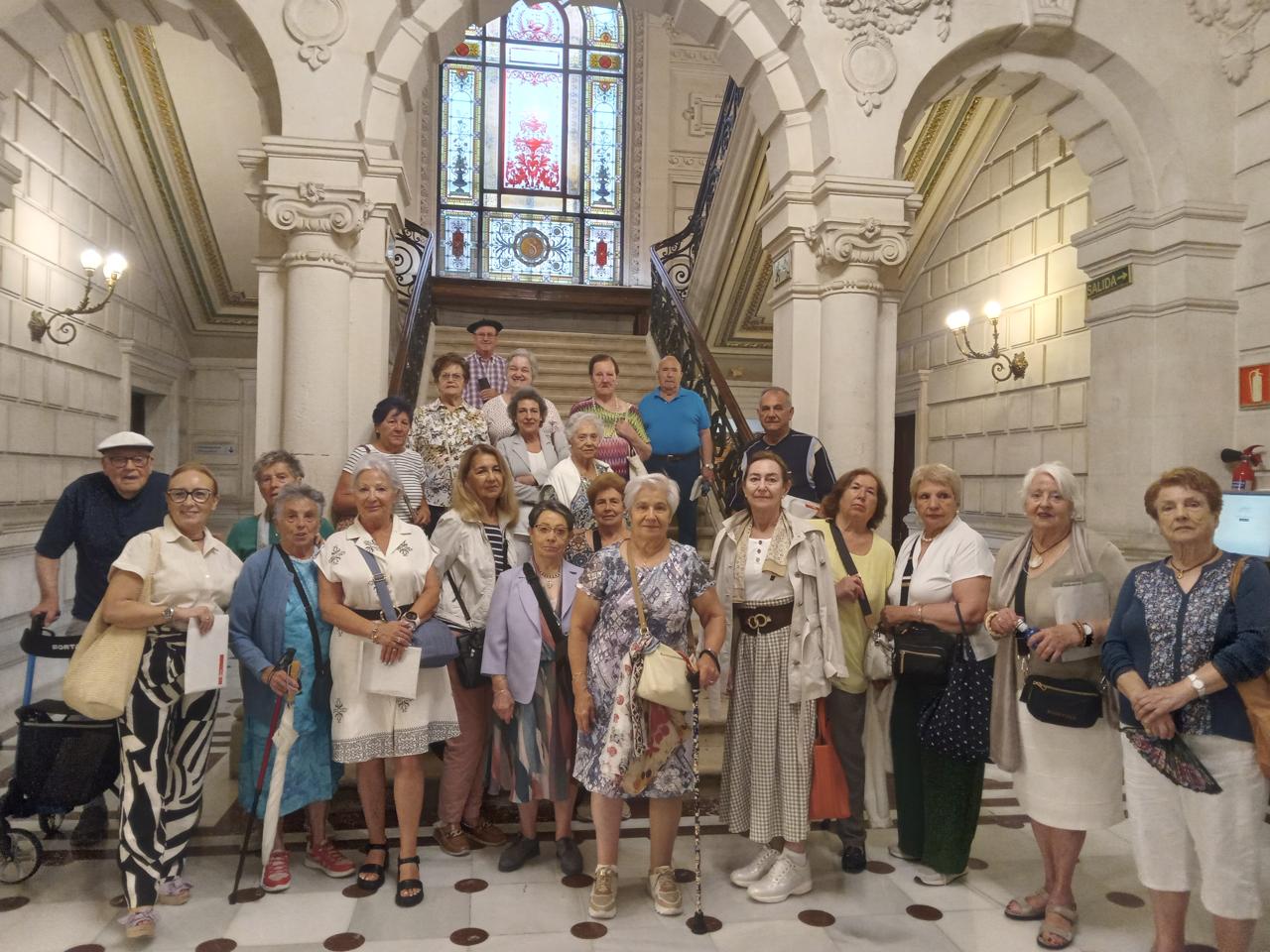 |
Mirada Activa Berria (MAB) is an innovative municipal programme in Bilbao that reframes loneliness as a collective challenge that requires coordinated, community-based responses. The programme targets people aged 60+ who are experiencing social isolation, unwanted loneliness or limited support networks. The project includes three key innovations. The community-based detection model mobilises an extensive network of local actors – businesses, associations and neighbourhood agents – as “antennas” capable of identifying early signs of social isolation. Alongside this, a professional acts as a ‘community connector’, facilitating relational processes, empowering individuals and creating sustainable social networks. Thirdly, structured interventions are integrated within informal relational spaces, where social interaction becomes both the means and the outcome of intervention. Through this, MAB represents a shift from service provision to community-enabled care. Robust evaluation has shown that 91% of participants reported overall improvement, 69% reduced feelings of loneliness, and 89% reported improvements in emotional wellbeing. |
| SocialXChange: Social Integration through Circular Economy, Empowerment, Transformation and Partnership | Bucharest 6th District City Council - General Directorate for Social Assistance and Child Protection (Romania)▼ |
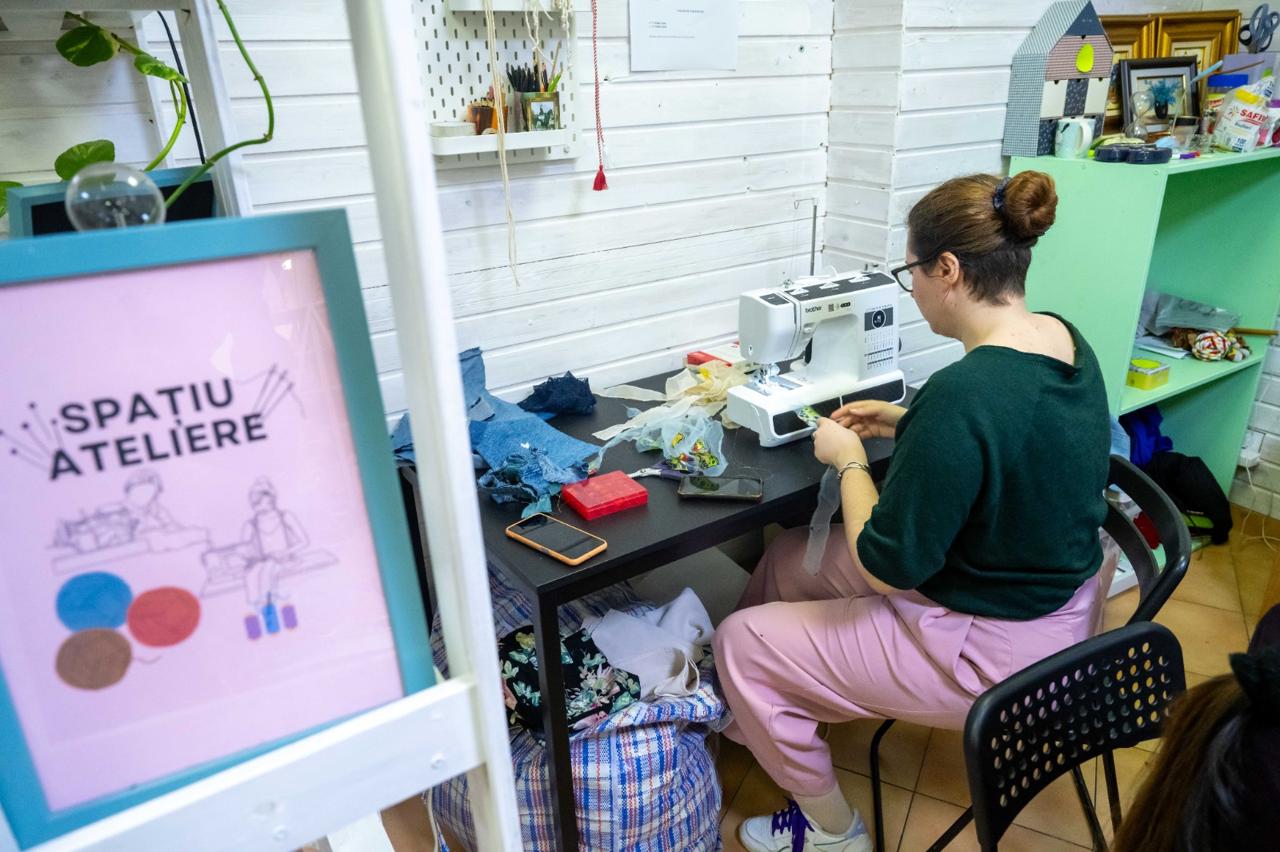 |
Born from the need to reduce waste and aid vulnerable people, the SocialXChange charity shop has expanded into an integrated service hub. Based on public-private partnerships and implementing a participatory model, it creates a system where beneficiaries help themselves by helping others through a broad range of activities. The model has broken institutional silos to deliver integrated services by unifying day centres for children, seniors, and people with disabilities, alongside homeless shelters and family preservation units. It provides local social services, receiving referrals from housing, disability, and child-welfare departments and also manages large-scale basic donations distributed via a work-for-aid scheme. It runs peer-support groups for unemployed women and young mothers, alongside community workshops, education in schools, and holiday camps. Since 2015, more than 50,000 individuals and businesses have donated to the scheme, and over 10,000 individuals have benefitted from the various types of goods and services available. |
| Job Starter: Dignified Career Integration for Ukrainian Refugees | INCO (France)▼ |
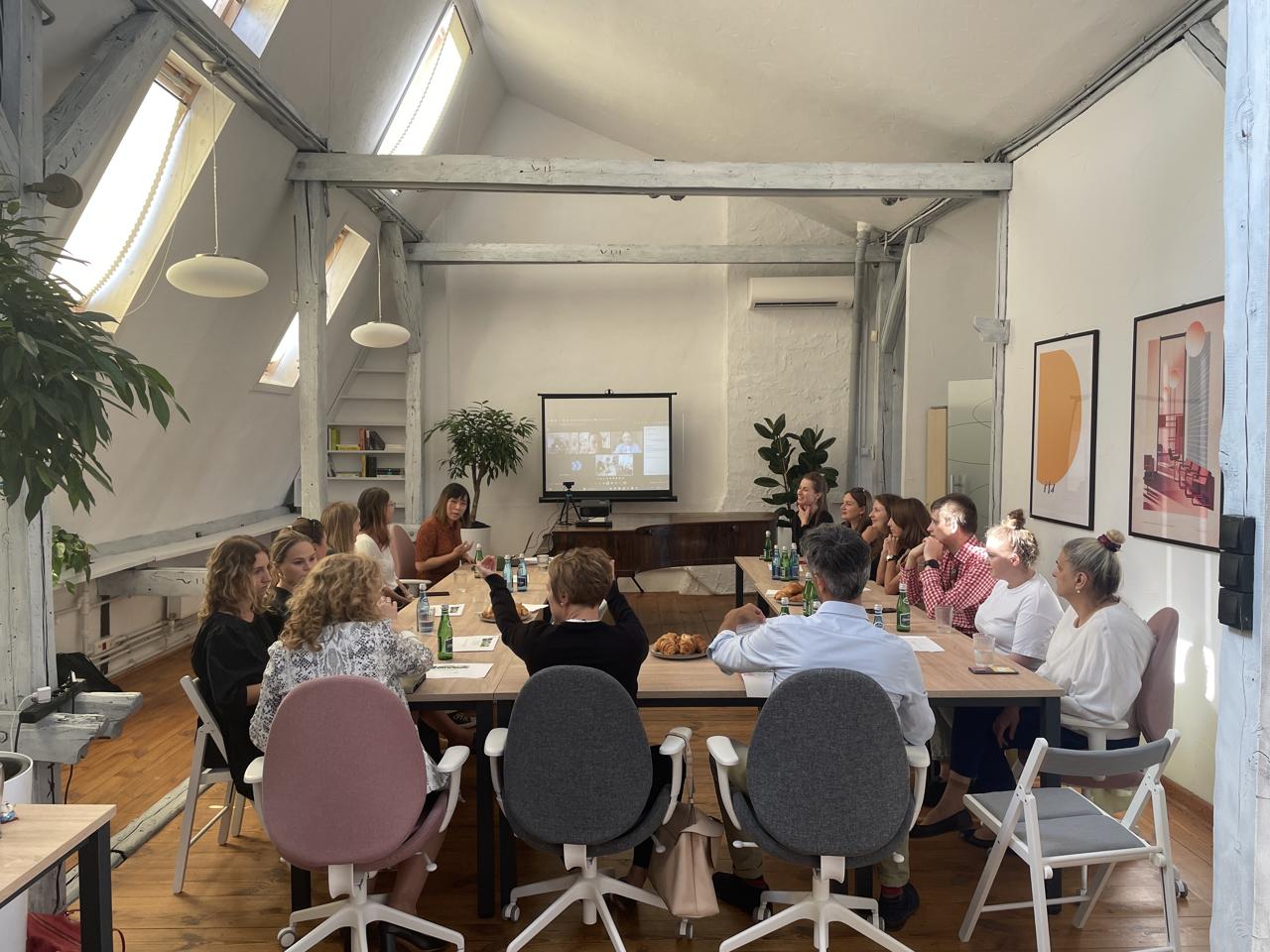 |
Job Starter is a holistic, 6-week career coaching and psychological support programme for Ukrainian refugees in Europe. It empowers highly skilled individuals to overcome displacement trauma, rediscover their professional values, and secure meaningful, qualified employment. The programme strengthens communities by filling localised skilled labour shortages, preventing social marginalisation, and creating an ongoing, self-sustaining peer ecosystem of graduates who support newer arrivals. It champions a highly structured, compassionate, and user-centred model of public-private social integration. The traditional approach for refugee employment prioritises immediate, high-turnover manual placement or generic technical upskilling. Job Starter completely flips this script by treating employment as an extension of holistic well-being and mental recovery. Participants are guided through a deep, structured process of self-reflection, trauma processing, and confidence restoration. It is an innovative fusion of mental health care and high-end executive corporate coaching designed exclusively for a vulnerable population. The program reached 30 countries and 2,875 participants to date, helping nearly 500 people to secure a new meaningful job in their host country and 215 people to re-enter formal education for their continued professional growth. |
Examples of key areas of Strengthening Communities and Social Inclusion
Empowering vulnerable groups
Support homeless people, migrants and refugees through integrated programmes and services to ensure effective access to housing, employment, healthcare, and education.
Cross-cultural initiatives
Promoting programmes that bring together different ethnic groups and social backgrounds through collaborative initiatives to foster mutual understanding and social cohesion.
Improving community cohesion
Implementing joint community hubs, sustainable community development projects, and volunteer-driven initiatives that connect services and local actors to strengthen community support or to empower people using social services and communities.
Aiding informal care givers
Providing family and informal carers with combined types of support, such as training, resources and online or offline support groups, as well as integration with formal service provision.

Explore all award categories
← Back to Award Categories